






Review: Audio-Technica ADX7000
Audio-Technica's flagship audiophile cans are a showcase of precision engineering, sonic balance, and ergonomic comfort.

By Preshan John
28 November 2025
AudioTechnology is well accustomed to reviewing headphones from Audio-Technica, but nothing I’ve reviewed is quite like the ADX7000s.
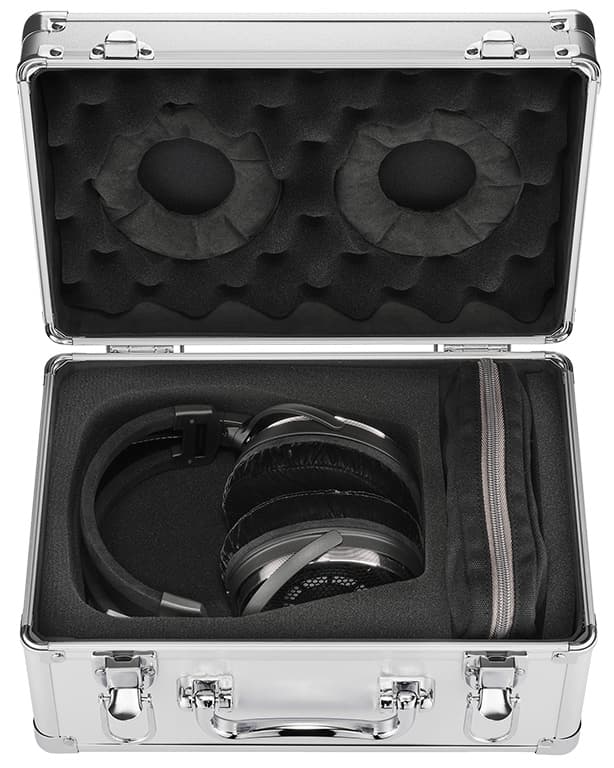
The first clue that this review was going to be different was when I pulled a custom-moulded hardshell case from the cardboard packaging – the kind that might contain a boutique tube microphone. Inside sat the ADX7000 alongside two extra Alcantara earpads nestled into foam cutouts in the lid, plus a padded zipper case holding two fabric-wrapped cables with gold-plated connectors.
Not your average unboxing experience. But it makes sense given the ADX7000 goes for a cool A$5000 and is Audio-Technica’s flagship audiophile open-backs. Handmade in Tokyo, they represent the best R&D and engineering the Japanese manufacturer has to offer. And the ‘audiophile’ label places them in a different lane to the flagship R70xa reference headphones Audio-Technica released earlier in 2025.
DESIGN THAT RESONATES
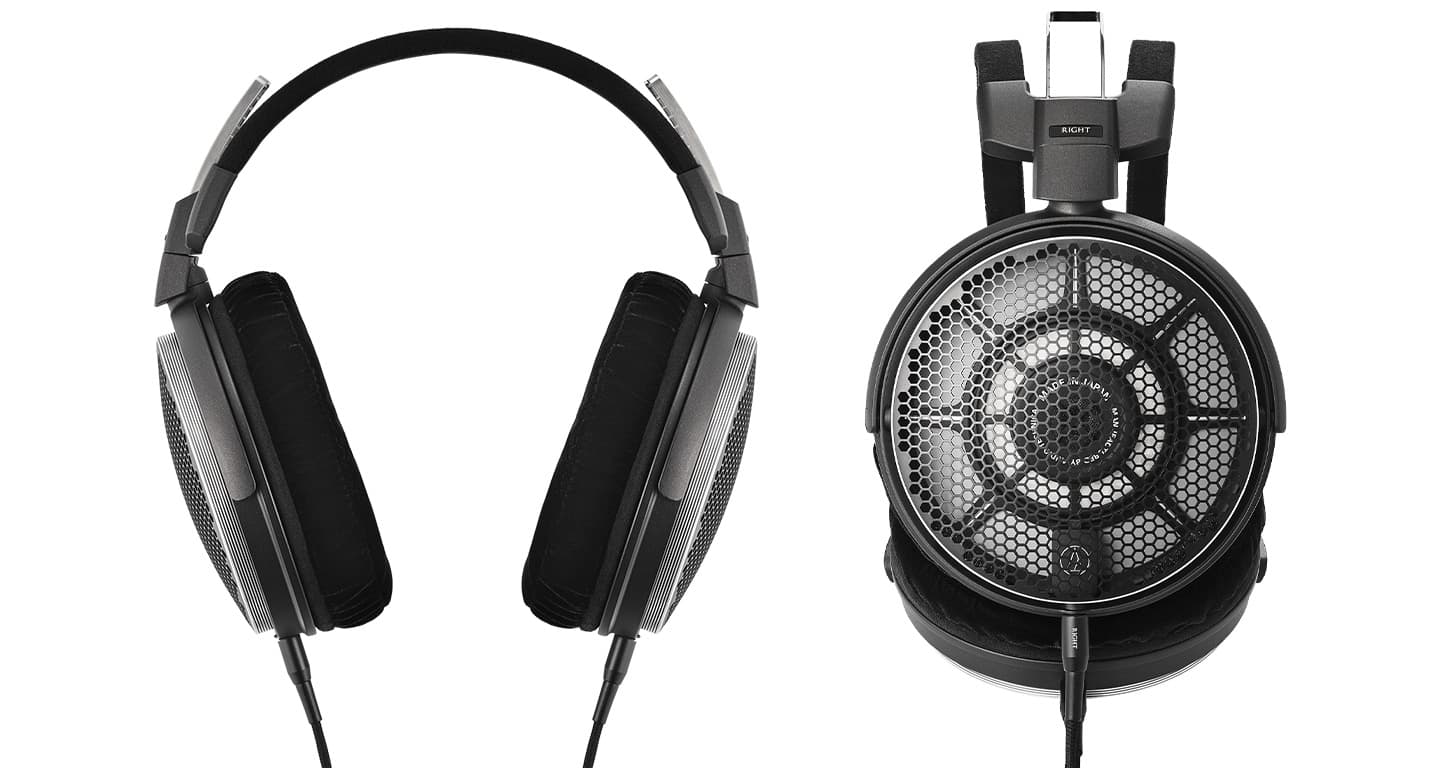
Unlike studio monitors or PA systems, headphones rely on a single driver to produce the entire spectrum of sound. Driver design is crucial. Central to the ADX7000’s performance is Audio-Technica’s new HXDT driver. At 58mm, it’s on the larger side for open-back headphones, and it’s noticeable the first time you pick up the headphones. One key advancement is the alignment of all concentric driver components (such as the baffle plate, magnet and voice coil) to within a tolerance of ±0.02mm. This allows the diaphragm to move more freely and react to transients and dynamics with greater speed and accuracy.
At 270g, the ADX7000 headphones are incredibly lightweight, making them more comfortable to wear for longer periods. However, it’s inevitable that such a weight-saving impacts the choice of materials. Some may baulk at the plastic earcup swivel and headband joints. The headband itself has a suede-like texture that gently cradles your head without feeling oppressive. Two earpad options – high-density velvet and Alcantara – let you pick for comfort and sound (the latter sounds slightly fuller and warmer). The sliding headband adjusters have a satisfying click at each position. Each part of the design is functional, but it’s not ostentatious or manifestly luxurious. Unlike other premium audiophile cans, one may not guess the ADX7000’s price by its physical feel and appearance.
OUT IN THE OPEN
Audio-Technica’s ‘open-air’ label also points to its design philosophy. The back of the ADX7000 shows nothing but a perforated metal grille separating the 58mm drivers from the outside world. Inside the earcups, perforations are visible in the driver design surrounding the magnets. The ‘open-air’ concept is to minimise any colouration caused by pressure build-up both internally and externally, letting the drivers breathe and move as uninterruptedly as possible. This prioritises accuracy over isolation and power efficiency. Naturally, the openness of the ADX7000’s design means you want to be in a quiet room to truly enjoy them.
Two 3m cables are included offering both 6.3mm and four-pin XLR-M connector options. Audio-Technica’s A2DC jack is at the other end, plugging into each side of the headphones with a push and twist. All terminations are gold-plated and the cable itself is fabric wrapped and resists twisting. I did find that any rubbing on the cable tends to carry audibly through to the headphones.
With a 490Ω impedance, the ADX7000 is easily driven by a modern audio interface but will shine with a pro headphone amp. It’s no surprise the ADX7000 is capable of a stunning amount of detail and a good amp will bring out its best.
NEED TO KNOW
Audio-Technica ADX7000
Open-Air Audiophile Headphones
ON-EAR EXPERIENCE
Open-backs can often suffer from an anaemic presentation of low frequencies. Not so with the ADX7000. Surprisingly, bass is one of the ADX7000’s most striking strengths. Material below 150Hz is conveyed with a spectacular balance of depth and confidence. Reaching sub-bass frequencies isn’t an issue with a response down to 5Hz, and the extension never feels forced, as EDM and techno tracks reveal. Yet its extended sub presence is not at the expense of tightness and precise transients. The intro of Jonathan Butler’s Rio highlighted this synergy beautifully. I watched a few movies through the ADX7000 and the first ‘wow’ moment came at the Disney intro sequence where the fireworks explode over the castle – each crack had a ‘thud’ so lifelike that I thought it was outside the house. Similarly, instruments that produce bass frequencies and tight transients, like kick drums, djembes, congas, even the low string on acoustic guitar, are presented with incredible realism.
While the low-end is thoroughly enjoyable, the same balance is true across the frequency spectrum. Midrange-heavy sources such as vocals, piano and strings have a smoothness that feels real and natural. This makes the ADX7000 very easy on the ear, regardless of whether you’re listening to a sparse acoustic track or a crowded pop mix. Even songs that are mixed with edgy high-mids in the 2-4kHz region are conveyed with disarming gentleness.
The treble range is carefully voiced. When I reviewed the Audio-Technica R70xa open-back headphones, the understated high-end is practically a feature of the headphones, yet without foregoing clarity. While the step up in HF fidelity is unmistakable in the ADX7000, the sense of smoothness is not a far cry from the R70xa. Hats, cymbals and shakers are clear as day but rarely biting or fatiguing. The brightly mixed vocal on Taylor Swift’s Love Story has plenty of air without the shrillness or piercing sibilance that tends to show up on other open-backs.
The stereo image of the ADX7000 is both open and intimate, like being in a dampened recording studio room that’s both alive and controlled. My AKG K702s are wider and sound like you’re in a lively hall by comparison, yet I never found myself wanting more width from the ADX7000. They balance spaciousness and immediacy exceptionally well, where there’s enough spatial width to visualise and dissect a complex mix, but the sources remain close enough to ‘jump out’ at you.
THE ART OF BALANCE
The one word that perhaps best describes the ADX7000 is balance. Pushing a vast spectrum of sonic information and dynamic range through two small drivers is no small feat and inevitably, becomes a careful exercise in compromise.
Most headphones tend to excel in one frequency area over another, because physics complicates the process of maintaining a balanced, uncoloured output across the full auditory range. Accordingly, I end up developing an impression of headphones based on their performance in a certain range that’s disproportionate compared to the whole – be it bassy, bright, honky, scooped, dull, harsh, lumpy, flabby, and so on.
Impressively, the ADX7000 rarely gives the sense of one aspect suffering as a result of another excelling. The low end is tight, deep and bold – but not ‘bassy’, because the high end has enough presence and articulation to sit just right. Likewise, the low-mid warmth that makes a piano lush and enveloping doesn’t swallow up clarity or presence in a lead vocal because the high-mids sit just right. Interestingly, comparing the ADX7000 to other headphones made their compromises become more obvious, because the ADX7000 possesses so few compromises of its own.
The Audio-Technica ADX7000s had an unexpected effect on my evening routine, and my wife’s too. After dinner, we’d end up on the couch, plug into the record player, and just listen to music – no TV, no scrolling. Of course we had to take turns, but the joy of hearing music through the ADX7000s became its own form of entertainment and relaxation [sounds suspiciously like these cans are turning Preshan into an audiophile – Ed.].
You need to be a certain type of person to splash out $5k on a pair of headphones. If you are, the ADX7000 rewards you in ways that go beyond tech specs and engineering. They offer the kind of sonic balance and ergonomic comfort that reignite a desire to simply sit back and relish good music.






RESPONSES