• Latest Issues
  • Reviews
  • Tutorials
    • Microphones
    • On The Bench
    • Thinking Outside the Box
    • View From The Bench
  • Features
    • Acoustics
    • Broadcast
    • DIY
    • Field Recording
    • Game Sound
    • Interview
    • Live Sound
    • Mastering
    • Mix Masters
    • Music Business
    • Name Behind the Name
    • Post Production
    • Recording
    • Studio Focus
    • Technical
  • Regulars
    • Fresh Produce
    • Top 5
    • Top 5 Live
    • Top 5 Template Tools
  • Videos
  • Free Stuff
  • By Gear
    • Audio Accesories
    • Audio Mixers
    • Headphones + IEM
    • Interfaces
    • Location Sound
    • Microphones
    • MIDI Controllers
    • Mobile/iOS
    • PA Systems
    • Software + Plug-ins
    • Studio Monitoring
    • Studio Outboard
    • Synthesizers + Keyboards
  • By Interest
    • Acoustics
    • Broadcast
    • DIY
    • Field Recording
    • Game Sound
    • Live Sound
    • Mastering
    • Music Business
    • Name Behind the Name
    • Post Production
    • Recording
    • Technical
    • Thinking Outside the Box
  • By Brand
  • Subscribe
  • Contact Us
  • Advertise
Previous
Issues 107
0 SHARE
Read Next: Black Friday 2025 Hardware Deals
  • Home
  • /
  • Regulars
  • /
  • Top 5 Template Tools
  • /
  • Top 5 Template Tools: David Tickle

Top 5 Template Tools: David Tickle

David Tickle (U2, Prince, Peter Gabriel, Split Enz, The Police) talks us through his five essential Pro Tools mix plug-ins.

By Joe Matera

21 November 2025

During the course of his illustrious five-decade career, English multi award-winning music producer and engineer David Tickle, has worked with some of the biggest names in music. The names range from U2, Prince, and Peter Gabriel to Split Enz, The Police and The Divinyls to name but a few.
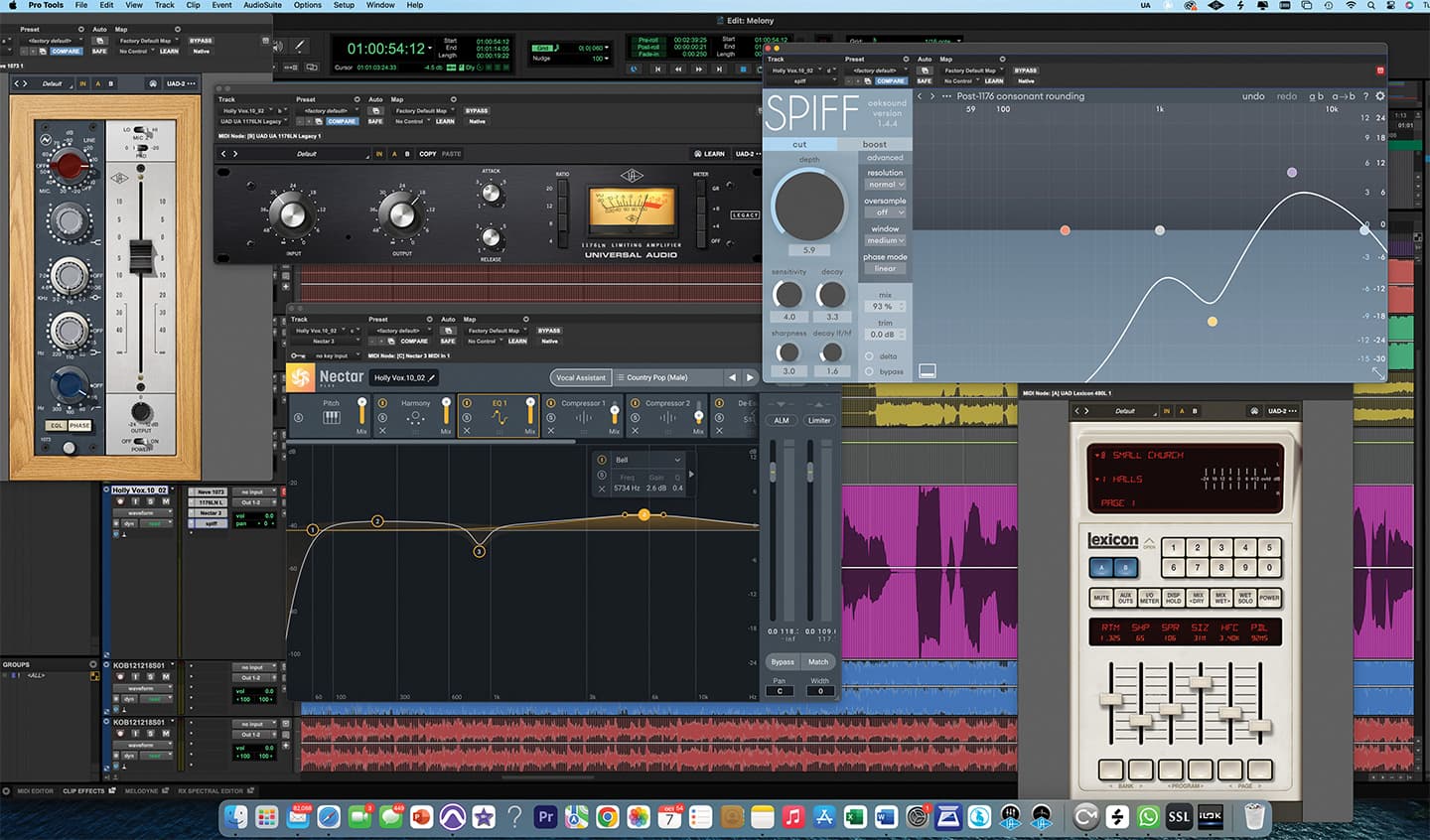
“What’s interesting with the way I work is, depending on the sound of the record that I want to make, I don’t generally preload anything,” explains Tickle to AudioTechnology when asked to discuss his five essential plug-ins. “I just start to build my inserts as I’m going along and add what I need at the time. So sometimes I’m doing an SSL mix, sometimes it’s API and I will only use API EQ and compressors. And sometimes it’s Neve.”
NEVE 1073 PREAMP

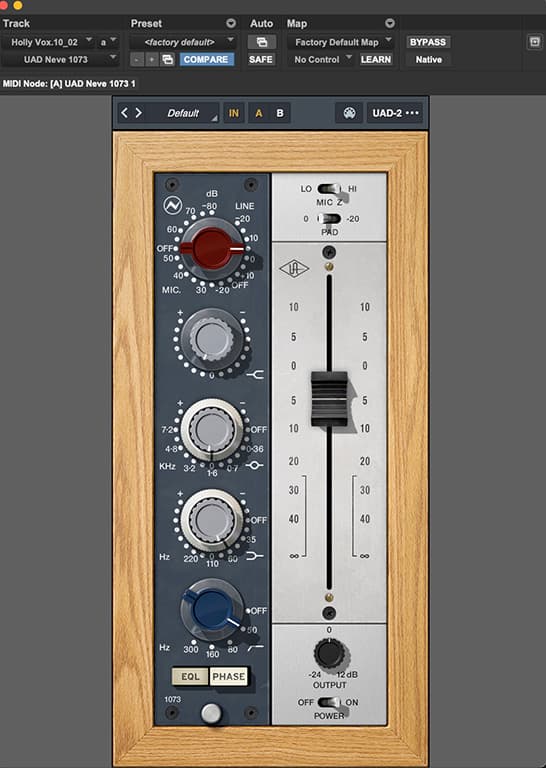
I absolutely love Neve preamps – the 1073 is my all-time favourite front-end, both when tracking and mixing. On the recording side I use it on pretty much everything: vocals, guitars, bass, drums – you name it. It adds that unmistakable warmth, fatness and harmonic saturation that makes instruments feel larger than life. One of my favourite tricks is to drive the input stage a little harder while pulling back the output: if the incoming signal is already close to 0dB, I’ll drop the output fader by 5dB and turn the mic pre gain up by the same amount. The overall level stays the same, but the extra harmonic distortion makes the source sound twice as big and present in the soundscape. And that 12kHz shelf? Pure magic – it just opens everything up, giving air, sheen and sparkle without ever sounding harsh. I’ll happily reach for the 1073 plug-in even when mixing for that same classic Neve character. It’s simply the best.

UNIVERSAL AUDIO LA1176

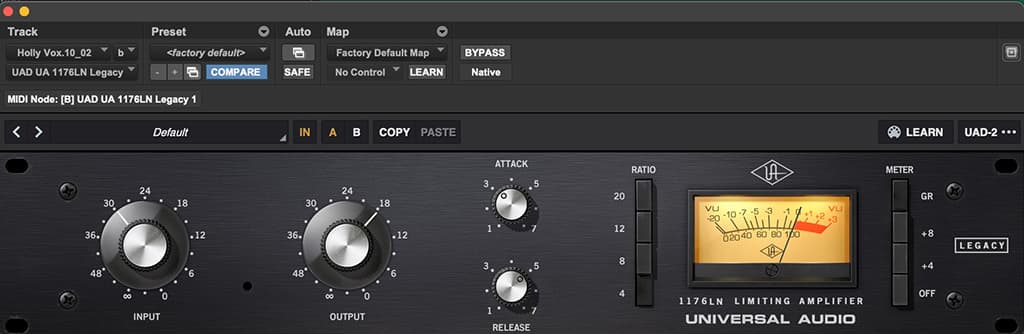
I use Universal Audio plugins almost exclusively. I feel overall they are the truest to the real physical units. It’s really, really good modelling. I’ll use the Universal Audio LA1176 Compressor post the 1073 on vocals or a guitar. It just matches the Neve so well and it makes a really fat warm sound and very controllable. I love the sonics and it’s a very versatile compressor. You can have light gentle compression at 4:1, or you can press a couple of the ratio buttons at the same time and get really hard dramatic compression.

IZOTOPE NECTAR 4

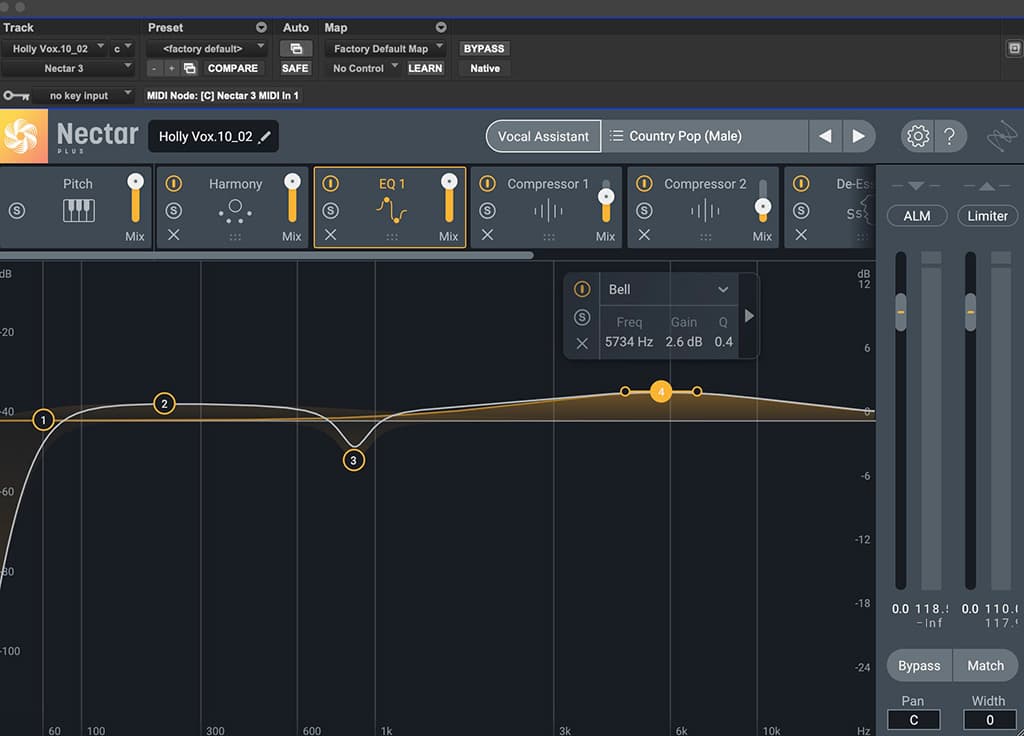
Usually, after I’ve recorded a set of vocals and need them to sit perfectly in a mix, Nectar 4 is the plug-in I reach for. It’s become my absolute go-to for vocal processing.

It has a menu of excellent preset styles that get you into the right ballpark instantly. From there it’s incredibly easy to tailor everything to taste. For example, the Dry setting is fantastic when I want a really intimate, close-mic’d sound. The EQ is musical and effective, the de-esser is precise and easy to dial in, and it comes with some truly useful vocal ambience options. The built-in processing chain – including pitch correction – is so well thought-out that it just works straight away.

I mostly use it on vocals, but I’ll also throw it on dialogue when I’m mixing for film or television. Some of the dialogue-specific settings are brilliant and save an enormous amount of time.

Overall it’s a beautiful, sophisticated plug-in. The way the preset models are built in means I can flick through several options in seconds, land on something close, then shape it exactly how I want. It’s simply fabulous – easily one of the best all-in-one vocal tools I’ve ever used.

LEXICON 480 REVERB

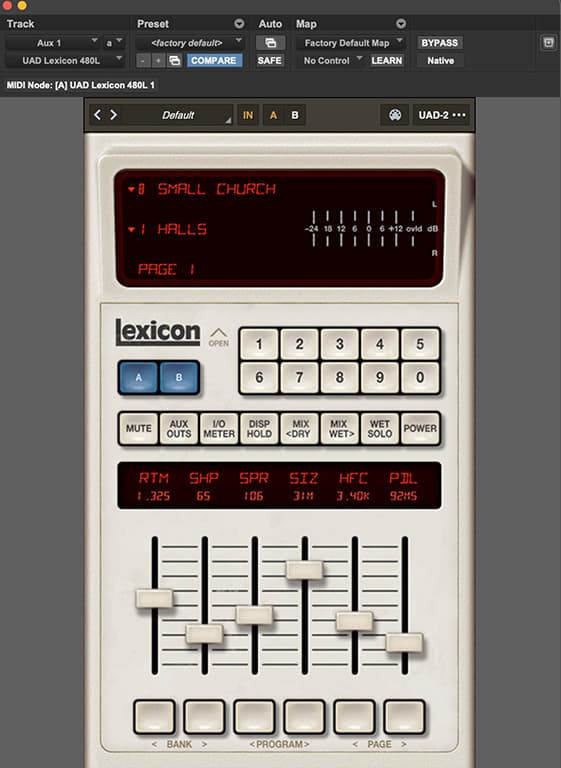
The Lexicon 480 has been my go-to reverb since the 1980s – first in its hardware form and now as a plug-in. It’s always set up and ready because it’s simply the quickest, easiest way to get almost any ambience I need. Whether it’s a short, tight wood-room sound for acoustic guitar, a lush open hall for keyboards, or anything in between, I can dial in the texture and tone in seconds, and it always sits beautifully in the mix. It might not be the final reverb I keep on every track by the end of the session, but it’s unbeatable for instantly getting me into the right ballpark. (For really huge, modern spaces I’ll sometimes reach for Valhalla, but for classic, musical, mix-friendly reverb, nothing beats the 480.)

OEKSOUND SPIFF

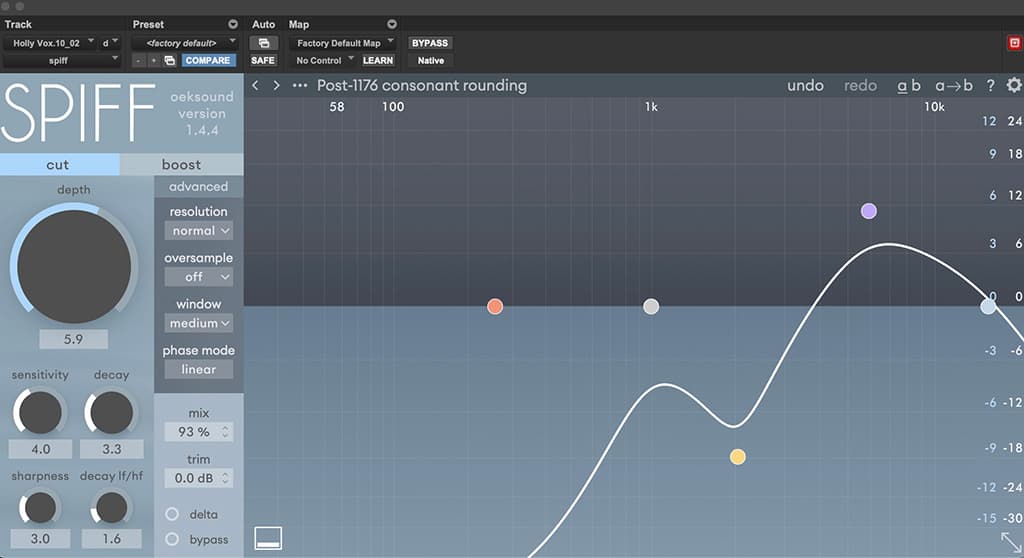
I’ve been using Oeksound Spiff for about a year now and it’s become an essential finishing tool. I usually drop it right at the end of a plug-in chain during the final mix stage – it’s like the finest polish you can put on a track. Spiff gives me incredibly precise, musical control over transients, letting me adjust the attack and perceived size of any instrument with real finesse. For example, I can make a snare feel bigger and more present without pushing up the overall RMS level – perfect when the mix is already loud and balanced. It’s brilliant on vocals and background vocals for carving out exact 3D placement, softening rough edges, or helping a group sit perfectly in depth. Whatever needs that last touch of refinement – drums, guitars, vocals – Spiff makes everything lock into the mix beautifully.

RESPONSES

Leave a Reply Cancel reply

Your email address will not be published. Required fields are marked *

More for you

Filter by
Post Page
Regulars Top 5 Template Tools Issue 110 Issue 109 Issue 108 Issue 107 Issue 106 Issue 105 Virtual Instruments Software + Plug-ins Feature Recording Plug-ins Arturia Cherry Audio Issue 103
Sort by

Top 5 Pro Tools Template: Neil Davidge

19

Top 5 Pro Tools Template: Guy Gray

19

Top 5 Template Tools: Jacquire King


19

Top 5 Template Tools: Warren Huart

19

Top 5 Template Tools: Joe Chiccarelli

19

Top 5 Template Tools: Jeff Balding

19

A Synth on Fire

10

UJAM Expands UFX Effects

10

Recording A Live Session with The Grogans

10

Shape Your Attack

10

Cherry Audio Trident MK III

10

University of Wollongong Immersive Studio

10

preview
preview

Free! Get AudioTechnology magazine sent straight to your inbox every month

This field is for validation purposes and should be left unchanged.

preview
  • Latest Issues
  • Reviews
  • Tutorials
  • Features
  • Regulars
  • Videos
  • Free Stuff
  • By Gear
  • By Interest
  • By Brand
© 2026 AudioTechnology magazine.