






Review: Presonus Quantum 2626
In the Presonus universe, Quantum squeezes more light-speed out of Thunderbolt. Curious? Read on.

By Rob Holder
9 July 2021
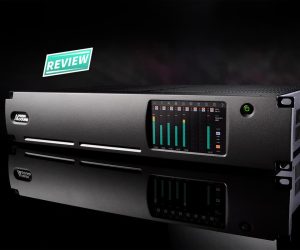
The Presonus Quantum 2626 is no subatomic device. Burly rack ears, screen-less front panel and black-on-black-on-black design philosophy scream solidity. Level meters are for the weak, and configuration LCDs for the feeble-minded! Presonus dispenses with such luxuries and, rather, doubles down on the formidable strength of its componentry.
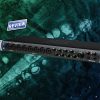
The front panel is studded with eight combo jacks attached to Presonus’ Class A XMAX preamps, offering a transparent, clear and articulate sound. Rounding out the front panel are eight solid gain pots (lacking pads and HPF), main out level and two headphone outs, the last with plenty of power but not re-routable. These two run Channel 1/2 exclusively. 2626 doesn’t offer any convenient monitoring shortcuts, balanced main outs, or separate headphones sends. Live tracking with Quantum will require a headphone amp or three, and control room (or even home studio) users will want a monitoring controller.
At this price, and with this much I/O, lack of niceties is excused. This 26×26 interface has its identity rock solid: strong, stable and stoic. Oh, and it’s blindingly fast.
THUNDER & LIGHTNING
One learns quite quickly the specifications of Thunderbolt 3. In fact, I’d say it only takes as long as reading the price tag on compatible cables. “A$65 for half a metre?! Bloody hell, you’d better hope its 40Gbps…” Thankfully, all this bandwidth goes to good use. Presonus devs have done users the courtesy of rewriting their Quantum drivers from the ground up. On the 2626, your bits trip round from converter to monitor in less than 1 millisecond! If AT termed the latency of 2017’s original Thunderbolt 2 Quantum as “turn on a dime” quick, then best yank on your handbrakes and J-turn! Quantum 2626 goes like greased lightning.
According to Presonus, the Quantum magic behind this is Direct Memory Access, a kind of RAM backdoor where samples slip in unnoticed by the CPU, avoiding unnecessary chit-chat and its associated latency. This, along with the driver memory speaking Quantum’s native 32-bit, allows buffer settings to be pushed way down. No more crackles and pops!
NEED TO KNOW
Presonus Quantum 2626
Thunderbolt 3 Audio Interface

LIVE TRACKING
This is the first interface I’ve used where I can live track vocals through compression and reverb on my unspectacular Core i5 MacBook Pro, without discernible latency. At 192kHz! Vocalists will be familiar with the strange sensation of delay between hearing through your bones and then your phones. I’ve grown quite used to ignoring it on other interfaces and practicing until I’m used to the unpleasant effect. Quantum, on the other hand, is a joy to monitor through. As someone who records quite heavily-processed vocals (they need it, trust me), direct monitoring isn’t really an option, and recording through the 2626 was more enjoyable, more natural, and more comfortable for a better take first time. Lack of direct monitoring may trouble some, but if your PC’s on and your DAW’s up, there’s little to complain about.
MECHANICAL ADVANTAGE
Is this the burly black box for you? From a price perspective (A$1099 street price), the Quantum 2626 competes with über-primo desktop units lacking channel count such as the Audient iD44 and Apogee Duet 3; a bunch of USB3.0 interfaces from Steinberg and Tascam; a Scarlett and a MOTU Ultralite too. A varied collection for sure. If you want DSP, then Universal Audio’s Thunderbolt offerings (apart from the Apollo Solo) cost over $1500, as do most Antelopes, not to mention all the plug-ins you’ll be purchasing.
The question, then, is similar to that of Mac or PC. A clash of ecosystem.
The Quantum 2626 is begging to be dropped into a rack full of tasty outboard, hooked up to a chunky Mac, chockers with plug-ins. Bands can live track through it, in or out-of-the-box processing available, synth-geek producers can hook up a studio’s worth of synths. Being such a workhorse, the Quantum is bound to find itself in all manner of studios, its ADAT I/O maxed out with tube preamps. In this context, it won’t quite be an Apogee Symphony, but far, far more than a lone piccolo.
If you don’t want to commit to the UAD or Antelope ecosystem and have a powerful Thunderbolt-equipped music PC, consider going Quantum. From a ‘dollar per millisecond’ basis, the value is near unbeatable. Those seeking bells and whistles, gain meters and monitoring features will look elsewhere. With Quantum 2626, what you see is what you get. Pots, ports, ins, outs and Thunderbolt. Blink, and you might miss it.






RESPONSES