






Music China Shanghai – A NAMM-Alternative In The Making?
AudioTechnology travels to Shanghai to experience China’s biggest music industry tradeshow.

By Preshan John
3 November 2025
Tradeshows play an important role in our industry. They bring people together and create a one-of-a-kind melting pot where established brands exhibit next to start-ups and newcomers. Creating a context for human connection is critical – we have come to appreciate this more in a post-Covid world – but a good tradeshow does more than unite and re-unite. It breeds technological innovation and offers a place for visionary types to bring their ideas to the fore.
NAMM is one heck of a tradeshow. Its scale and reach is unlike anything else in the music industry. Many companies we’d now consider behemoths can trace their origin stories back to the halls of the Anaheim Convention Center. AudioTechnology has been a regular at NAMM over the years. There’s literally no other way to connect with all the big pro audio names in the same place at the same time.
Recently, another show found its way onto our radar here at AudioTechnology HQ.
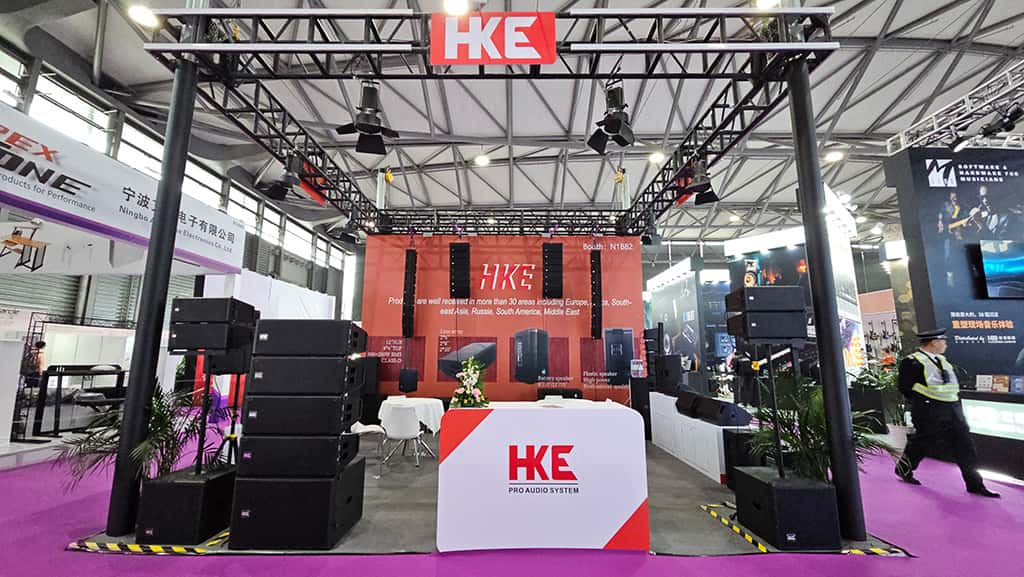
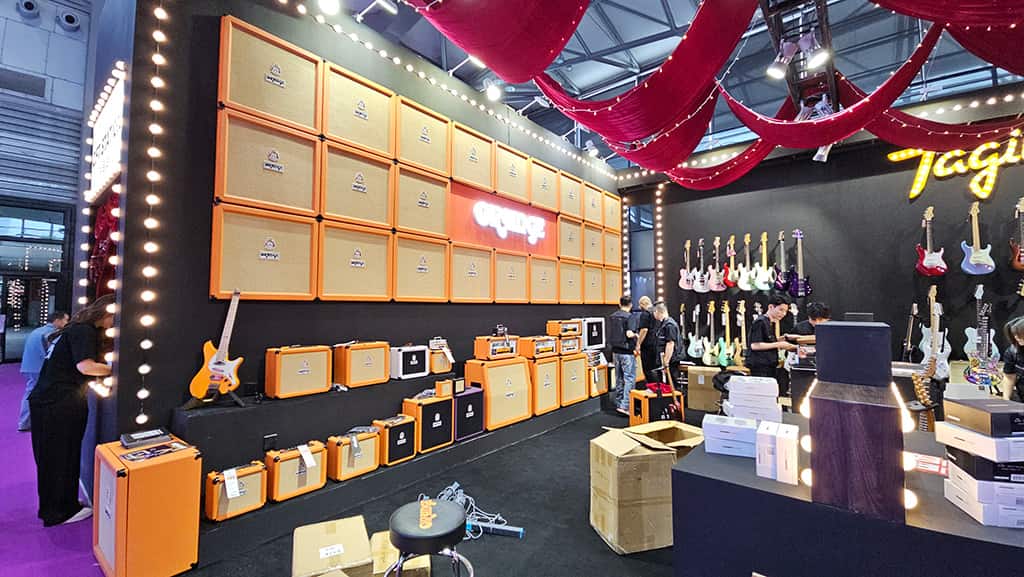
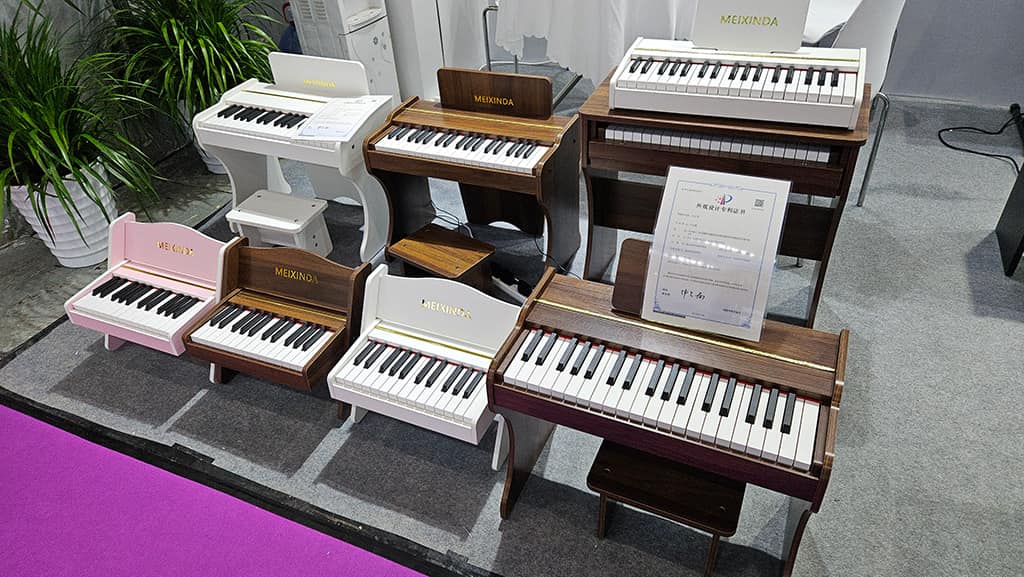
Music China was established a little over a decade ago and boasts numbers that rival NAMM. Last year, Music China Shanghai saw over 148,000 visitors come through its doors. The exhibitor list was well over a thousand. The 150,000sqm of floorspace covered everything from traditional Oriental instruments to cutting-edge music technology.
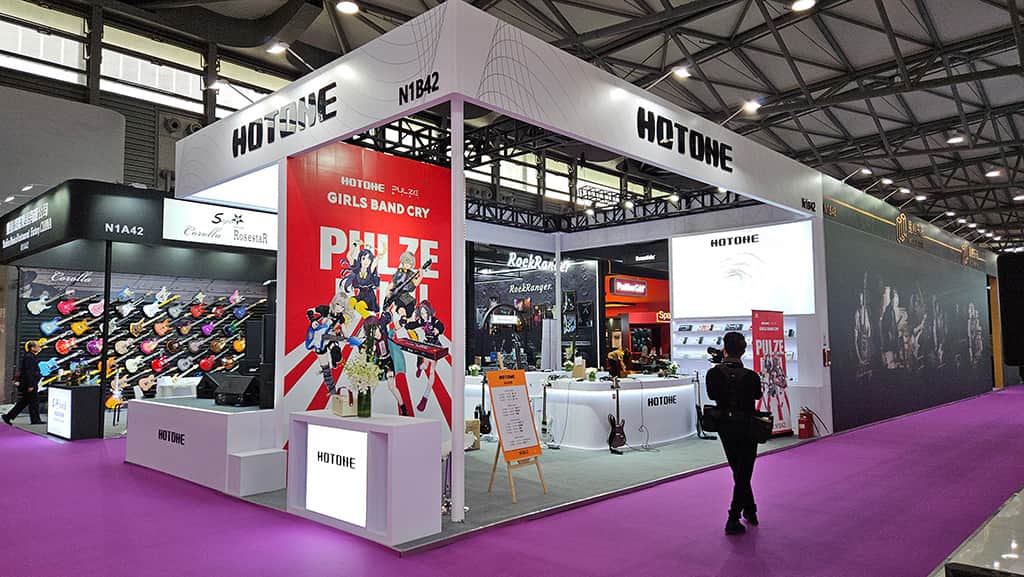
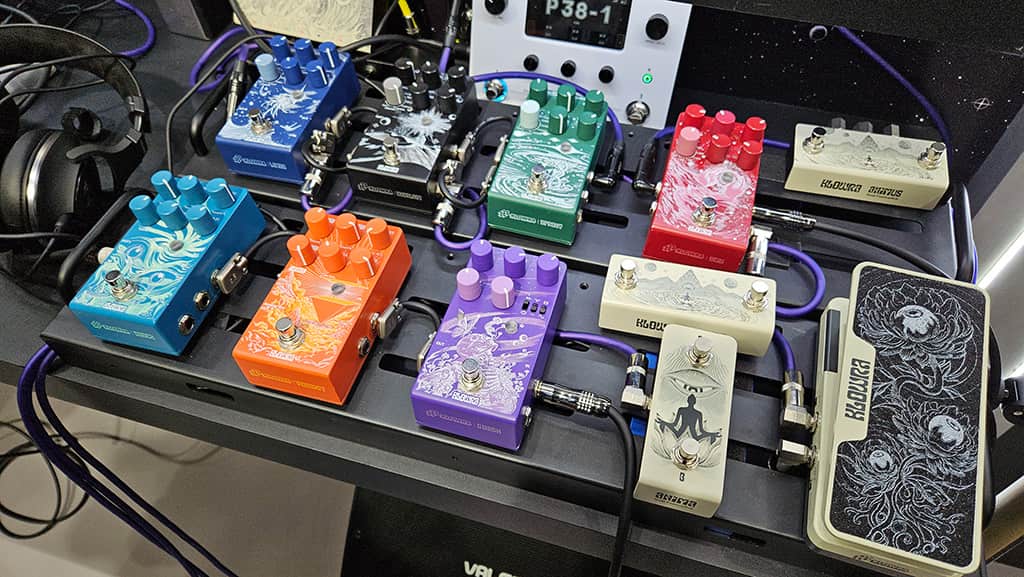
Hotone Audio, based in Changsha, China, invited AudioTechnology to attend Music China 2025 in Shanghai on October 22-25. It was a fantastic opportunity to experience a show with a similar DNA to NAMM but in a different part of the world (conveniently for us, China is much easier to travel to than California).
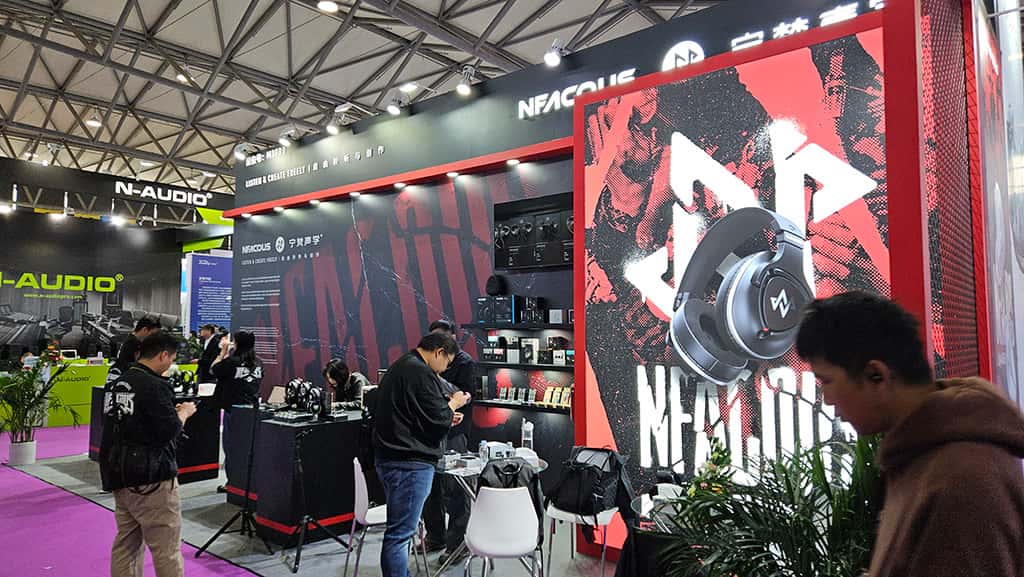
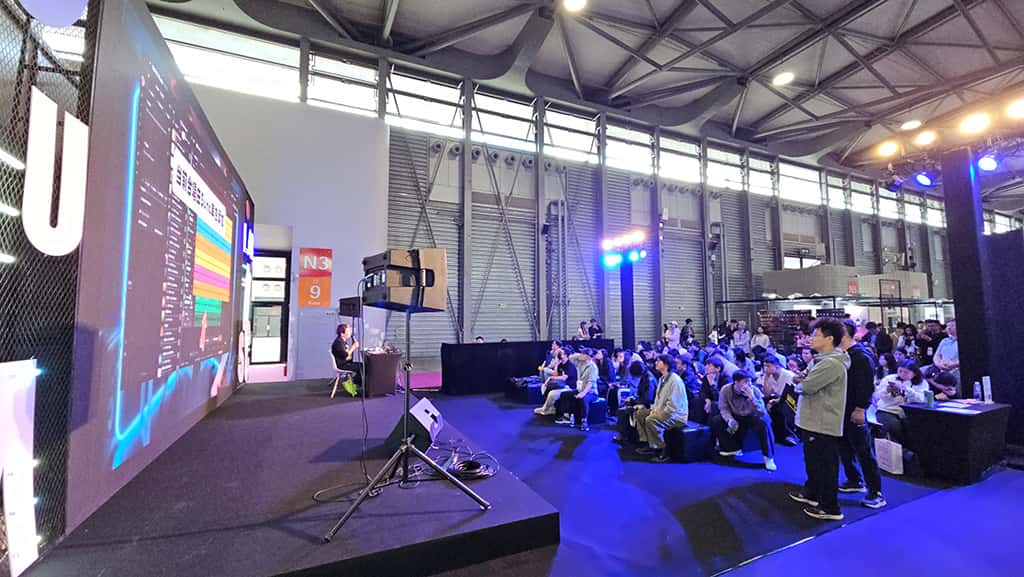
Walking the halls, I soon came to appreciate the sheer enormity of the Chinese market. Music China may not classify as a global show in the same way NAMM might, but the numbers on the floor feel the same, and that’s with most exhibitors being Chinese brands, distributors or dealers.
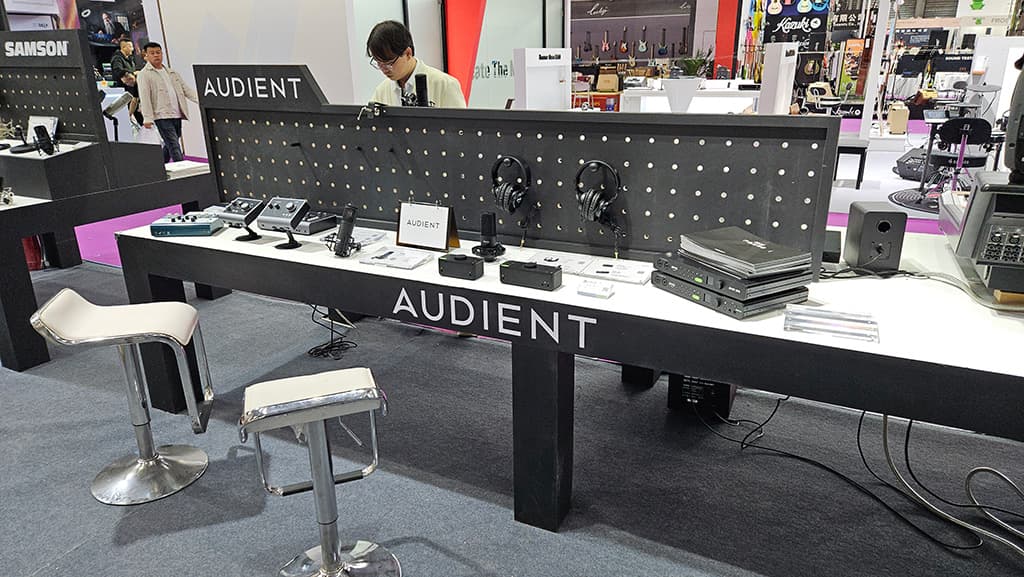
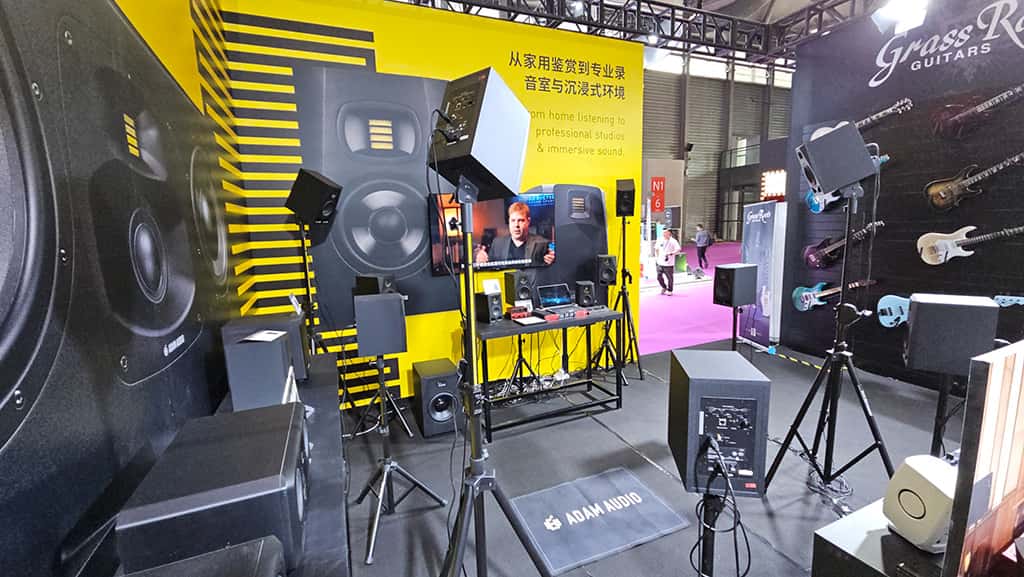
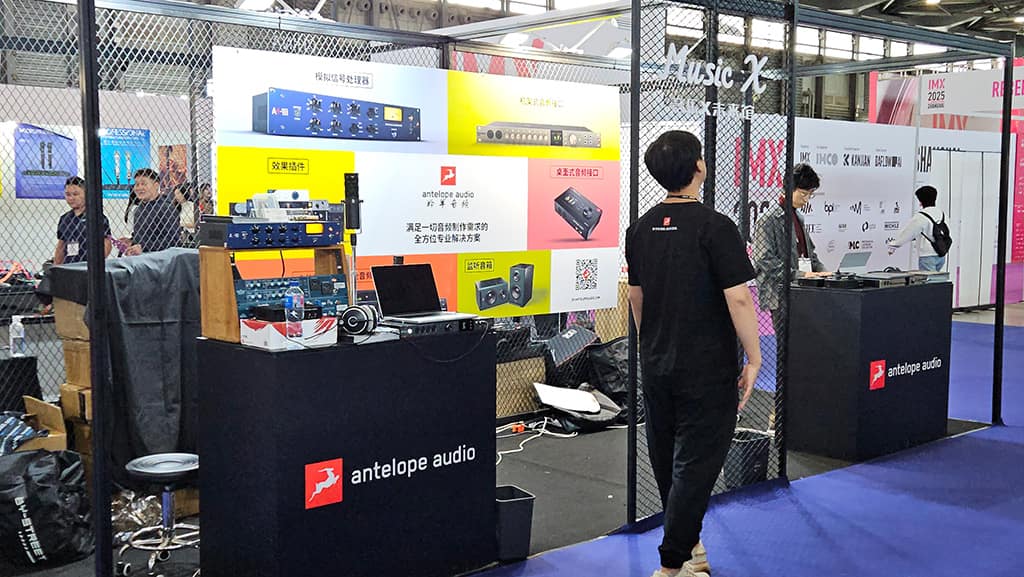
Given Music China’s primary focus is musical instruments, I was pleased to discover pro audio is very well represented. A promising sign for 2025 was a new hall dedicated to pro audio and electronic instruments.
The less predictable difference between NAMM and Music China is the demographic of attendees. NAMM certainly has its contingent of teens and twenty-somethings but Music China is flooded with these younger attendees who revel at the possibility of getting their hands on any number of the thousands of musical goodies sprawled before them. It’s a healthy sign for the industry.
I was also pleasantly surprised to discover how many non-Chinese, established brands could be found at Music China. Very few of these brands are fronted by head office staff but instead are represented by their Chinese distributors. For the Chinese market, this is fine. However, it’s rare to see staff from non-Chinese companies on the booths. My sense is that when this changes, it’ll be a big step towards Music China putting itself on the map globally.
Music China has doubtlessly worked wonders for the MI industry in mainland China insofar as cultivating innovation and connection. It’s not hard to see how the show is only a few steps or years away from contributing significantly to the industry worldwide. That’s not to say you should hold off on a ticket to Shanghai next year. It’s incredible to witness the booming Chinese market first-hand. Chances are you’ll leave impressed and inspired. And don’t forget the extra drawcard of Shanghai cuisine.
ON THE GROUND
Now that you’ve heard my thoughts, let’s get an inside perspective. Ari Garcia, Marketing Director at Hotone Audio, has lived in China for nearly 11 years. He’s seen Music China blossom into what it is today and offers insights on both the radical evolutions within the Chinese music industry, and how a show like Music China Shanghai can benefit the whole industry.
AT: Having exhibited with Hotone at Western tradeshows, what’s different about Music China?
AG: Shows like NAMM are great, but the average age is higher. At Music China there is still a very strong percentage of the youngsters that believe in music. They want to learn an instrument, they want to play, they want to produce music. And that’s exactly what is going on. It’s not so much a stiff or formal tradeshow, it’s more like a celebration of music. That’s why it’s so loud and everybody’s playing – they’re all rockstars!
AT: Increasingly, Chinese brands like Hotone are creating products that the Western market is taking seriously. How has the Chinese music industry changed?
AG: The industry has changed a lot, but it’s a story that’s repeated by other industries too, such as the car industry. Chinese cars 30 years ago were like a crap copy of some of the Western brands. And today they’re absolutely leading the way in tech, in manufacturing capacity, in cost, and with original designs. This evolution has come to the point where they are not only matching the performance of legacy brands, but surpassing them in some ways when they go head to head. And all of that for half the price. That’s the reality. And it happens in many industries – MI is no exception.
AT: Has there been a shift in design philosophy where Chinese products are birthed out of passion and innovation rather than a numbers game?
AG: Absolutely. If any of the founding fathers of the music businesses here in China cared only about money, they wouldn’t get into the MI industry. There are many other industries that pay much better. There is definitely passion behind it. Behind every founder of the Chinese companies that you know today, there is a musician who wanted to achieve something. Maybe he couldn’t be famous playing guitar but he wanted to leave his mark on the industry somehow. A good percentage of the people working at Hotone are musicians, including myself.
AT: How does a show like Music China encourage product innovation and bring fresh ideas to the industry?
AG: Cost-wise, it’s cheaper to exhibit at Music China. Depending on where you are, logistics may be simpler too. So the barrier to entry for a start-up is quite low. It’s also a great business opportunity because you have all the supply chain here. You can kill two birds with one stone. That’s why I think you get more bang for your buck if you exhibit in Music China than at NAMM.
There’s a lot of innovation going on here. If you go to those small booths, you know, the cheapest ones on the outskirts of the show floor – that is where things happen. It might be one guy with a table and only one product but that will eventually be captured by another brand with enough power to launch it and everyone’s going to buy it. It’s coming from a little table in this show. I’ve been coming here for more than 10 years and I’ve seen that happen many times. Companies that started unnoticed suddenly became a big thing. Innovation is a real deal here.
AT: What stands in the way of Western buy-in to a show such as Music China?
AG: I think there are misconceptions and misunderstandings about China. It will take a few more years for the West to consider that Music China is as good or equivalent to NAMM. Right now, if we look at sheer numbers of visitors, exhibitors, or revenue, Music China would already be matching or surpassing NAMM. But it’s more of a perception thing – do people consider Music China as relevant as NAMM? That will depend on many things. We still have this crack that divides the West and the East. When that gap closes and more people come to China and realise that they’re going to be fine, nothing’s going to happen to them, then I think people will understand that it’s a place where big things are going to happen in the next 10, 20, 30 years.
It’s always a cycle. If we want music to thrive, we need to let the people embrace it and open new opportunities and new places. You cannot always use the same old formula.
AT: What can we expect from Hotone in the next year?
AG: Next year, we’re going to add some new members to the Pulze family of amplifiers, something that bridges the gap between Pulze Mini and the Pulze. Also, due to the success of Verbera, we’ll be adding new members to the Neon Glow family.
We’re seeing very interesting developments with the machine learning frontier, AI, so some of these new pedals will incorporate that. It’s not like you’ll have ChatGPT in a pedal but AI will definitely start creeping into the tech we are working on to help you get much more from your pedal. Sometimes you know what tone you want but you don’t know how to get there from a settings point of view, but maybe showing the pedal a snippet of a song will help it understand exactly what you want to achieve. Another example is noise reduction, where AI can help the pedal discriminate between what is noise and what isn’t, to give you super-clean noise reduction, especially in a studio setting.
Music China: en.musicchina-expo.com









RESPONSES