• Latest Issues
  • Reviews
  • Tutorials
    • Microphones
    • On The Bench
    • Thinking Outside the Box
    • View From The Bench
  • Features
    • Acoustics
    • Broadcast
    • DIY
    • Field Recording
    • Game Sound
    • Interview
    • Live Sound
    • Mastering
    • Mix Masters
    • Music Business
    • Name Behind the Name
    • Post Production
    • Recording
    • Studio Focus
    • Technical
  • Regulars
    • Fresh Produce
    • Top 5
    • Top 5 Live
    • Top 5 Template Tools
  • Videos
  • Free Stuff
  • By Gear
    • Audio Accesories
    • Audio Mixers
    • Headphones + IEM
    • Interfaces
    • Location Sound
    • Microphones
    • MIDI Controllers
    • Mobile/iOS
    • PA Systems
    • Software + Plug-ins
    • Studio Monitoring
    • Studio Outboard
    • Synthesizers + Keyboards
  • By Interest
    • Acoustics
    • Broadcast
    • DIY
    • Field Recording
    • Game Sound
    • Live Sound
    • Mastering
    • Music Business
    • Name Behind the Name
    • Post Production
    • Recording
    • Technical
    • Thinking Outside the Box
  • By Brand
  • Subscribe
  • Contact Us
  • Advertise
Previous
Issues 96
0 SHARE
Read Next: JBL SRX: Making Waves
  • Home
  • /
  • Regulars
  • /
  • Top 5
  • /
  • Top 5: Warne Livesy

Top 5: Warne Livesy

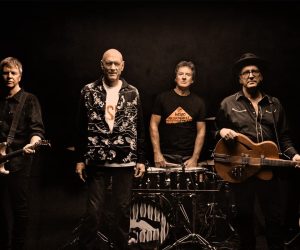
Mix engineer and producer, Warne Livesey (Midnight Oil, Icehouse, Colin Hay, Jesus Jones, Paul Young et al) names his five most essential studio tools.

By Joe Matera

28 May 2024

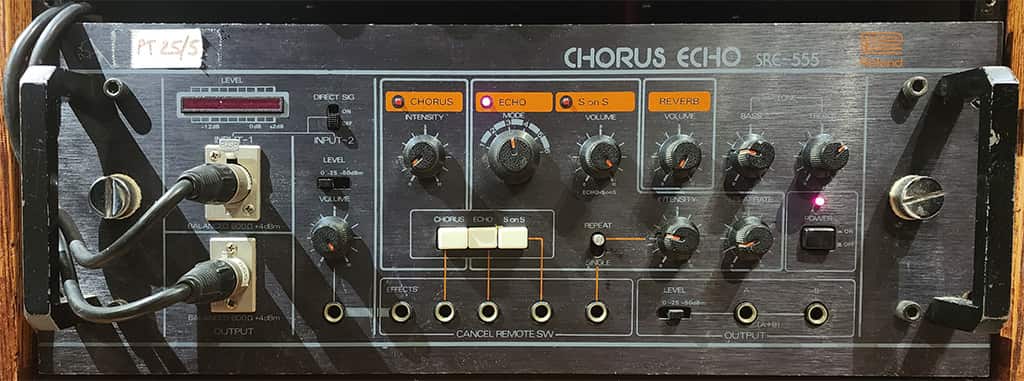
ROLAND CHORUS ECHO SRE-555

I’ve owned this since the ’80s and still use it all the time. There’s something about the warm tape sound and the wow and flutter that creates a beautiful depth. I will often use a short slap length delay with a small amount of feedback on a vocal, mixed so the actual delay is not heard specifically, but so it adds depth and richness to the vocal sound. I often prefer this effect to reverb. In addition, I occasionally bust out the trick of sending its echo into infinite distorted feedback and, by playing with the repeat rate and feedback intensity controls, use it as an atmospheric instrument. You can get some great noises like this, particularly on guitar. The chorus effect and the spring reverb are also useful sometimes, perhaps mostly on some electric guitar sounds too. Worth noting: these units are, of course, very similar to the Space Echo, but designed more for the studio with balanced I/O and rackmount kit.

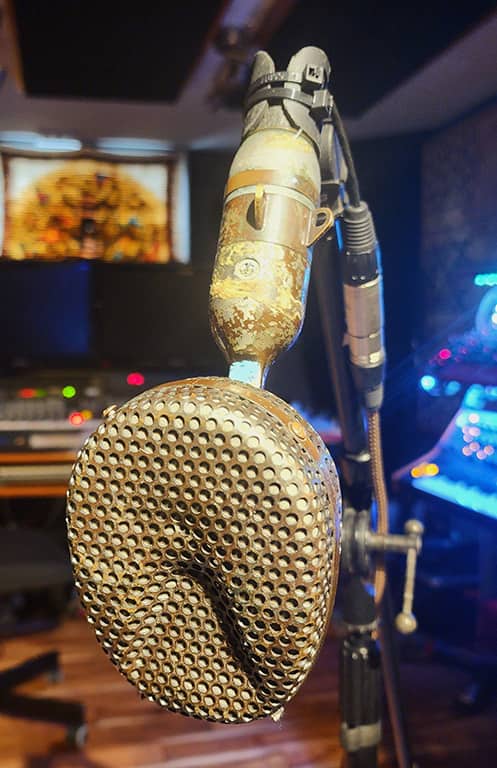
STC 4038 RIBBON MICROPHONE

The Coles version of this mic has become a staple in professional studios. But this one is the original model, made for the BBC by STC [Standard Telephone & Cable] in the 1950s. This one in particular has a huge bottom end response in comparison to the Coles version. I’ve owned it since the early ’90s and I always use it as a general kit mic on drums. I place it about two to three feet in front of the kick drum at a height of three to four feet. I will compress it fairly heavily with a Distressor or a UREI 1176. Sometimes I have even been known to compress it with a guitar pedal like the Boss CS-3 comp. This mic, along with a couple of other general kit mics I use, contributes quite a lot to the drum tones I get. The mic itself is very warm and adds a lot of depth and tone to the drums. I also occasionally use it for acoustic guitar (when I’m after a more lo-fi sound) and sometimes on trumpet.

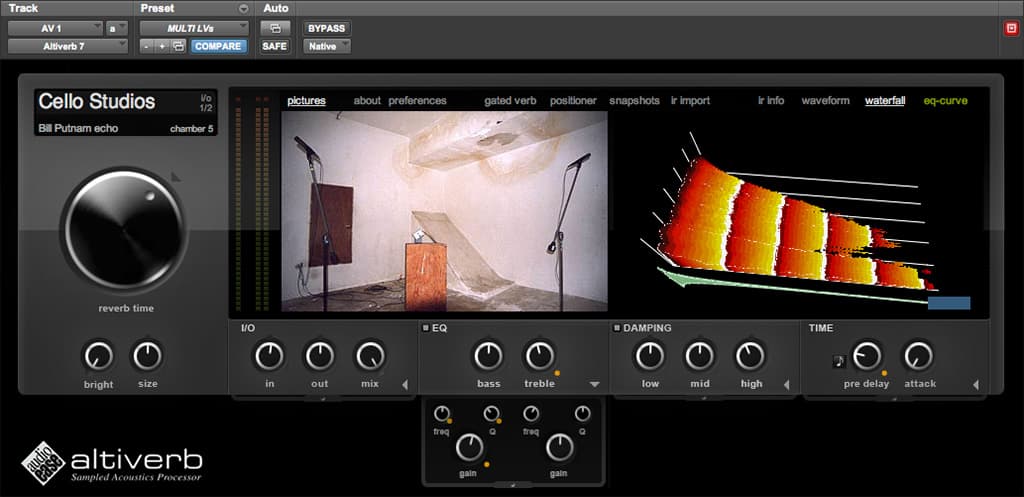
AUDIO EASE ALTIVERB

Altiverb is my most used plug-in. I will often have at least four instances of it in a mix doing different reverbs. It’s expensive by plug-in standards, but I bought it when it first came out and would say it’s definitely paid for itself many times over. I think it was the first Impulse Response-style reverb, and many people have contributed to a vast library of acoustic space IR’s as well as IRs of other reverb-generating gear, like plates, springs and digital processors over the years. I love the cathedrals and large churches for long ethereal ‘Nigel Goodrich’-like reverbs. I sometimes use the echo chambers from Cello Studios and Frank Zappa’s studios on vocals. Medium-sized rooms or venues can be lovely on strings. IRs of some great tracking rooms can be awesome for all sorts of instruments like acoustic guitar. And the IR’s of EMT plates are awesome if you don’t have an actual plate to hand. It’s my go-to reverb, although I do use other plugins and hardware devices.

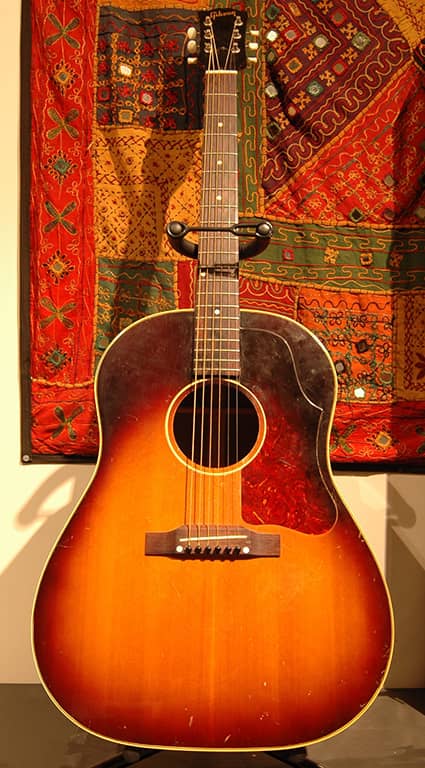
GIBSON J-45 ACOUSTIC GUITAR

This is my favourite piece of gear I own and I can’t imagine ever selling it. It’s from 1956 and it beats any other acoustic we have available 90% of the time on every session. It’s been on every record I have produced since I bought it in 1991 for £900. The only exception: it’s not on any Midnight Oil records because I don’t like to fly with it, and those guys have superb guitar collections anyway. It has the perfect balance of tone so that it will sit in a track with other instruments and not sound too thin, but rich and musical. It is better for strummed parts than finger picking, but I have used it for both.

NATIVE INSTRUMENTS KONTAKT & BATTERY

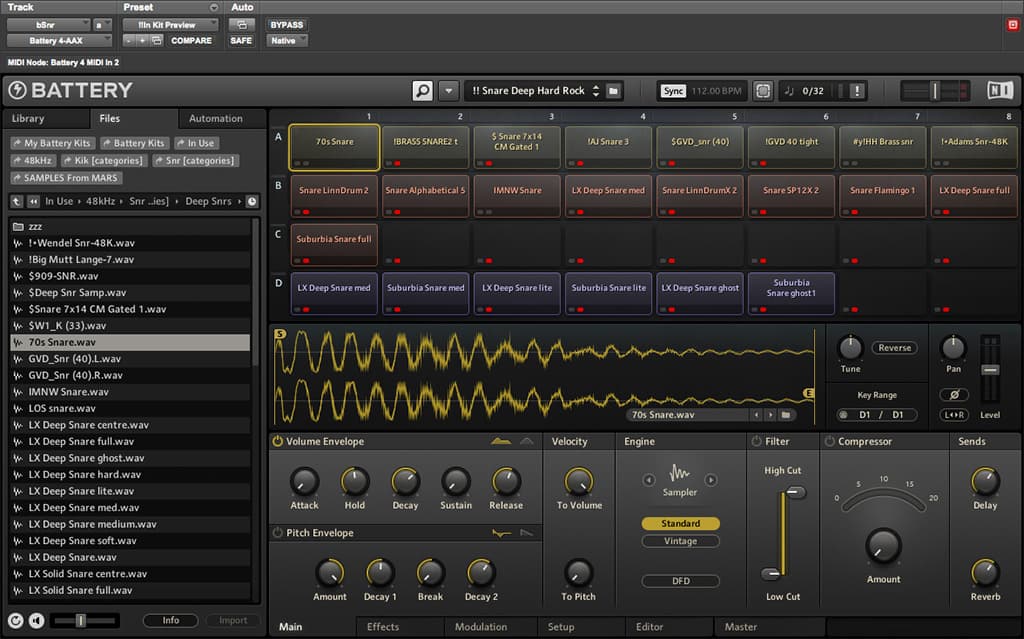
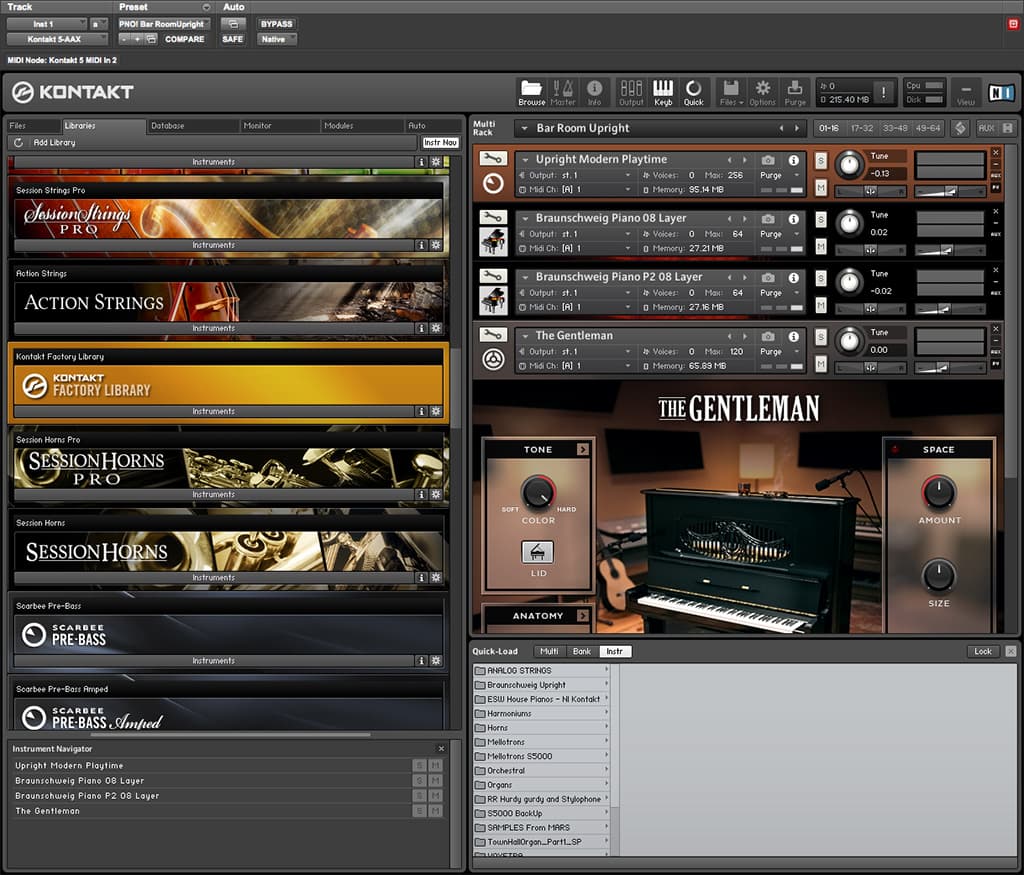
Whenever I use a soft instrument, it is 99% certain to be in Kontakt. It’s a superb sampler, easy to use and with a colossal library. And I like that you can, if you want, get into all the settings for sample control. I like using some of its weirder piano packs, like the Braunschweig Upright from Imperfect Samples. I generally prefer to use real acoustic instruments, but when you don’t have the budget to say, hire a string section, or you want a more ‘treated’ sounds, then Kontakt is my go to tool. I would also mention Battery, which is Native Instruments single shot sample player as it’s my first choice for any drum or percussive sample use. If I want to trigger samples from the drum performance, I use Massey DRT drum replacer to create a MIDI note on each hit. I like doing it this way because you can tune, mix and manipulate samples easily and create the ideal sound; often a stack of several samples. The other great thing about Kontakt is, that before the computer digital recording era I had amassed a large collection of samples for the Akai samplers and Kontakt will play all those too, with a bit of faffing around. That’s much handier than busting out the old Akai S5000.

RESPONSES

Leave a Reply Cancel reply

Your email address will not be published. Required fields are marked *

More for you

Filter by
Post Page
Reviews Hotone Issue 110 Feature Recording Issue 107 Workstation Presonus Issue 100 Earthworks Audio Issue 98 The Quick Mix Issue 94 500 Series Solid State Logic (SSL) Issue 91 Plug-ins Native Instruments Issue 85 News Issue 77 Issue 76 Tutorials Microphones Dynamic Microphones Technical Issue 68 Microphones
Sort by

Review: Hotone Freqlux

10

Recording Haim with Rostam Batmanglij

10

Review: PreSonus Studio One Pro 7

10

Review: Earthworks Audio DK7 Gen2

10

The Quick Mix: Paul Dieter

10

Review: SSL B-Dyn 611B

10

Review: Native Instruments Komplete 14 Collector’s Edition

10

Baz’s Big-Screen Biopic Bounty

10

Recording Midnight Oil’s Resist

10

Elton v Pnau: Producing Cold Heart

10

Dynamic Microphones

10

Amazon “Ultra Hd” Tunes

10

preview
preview

Free! Get AudioTechnology magazine sent straight to your inbox every month

This field is for validation purposes and should be left unchanged.

preview
  • Latest Issues
  • Reviews
  • Tutorials
  • Features
  • Regulars
  • Videos
  • Free Stuff
  • By Gear
  • By Interest
  • By Brand
© 2026 AudioTechnology magazine.