0

Top 5: Martin Terefe

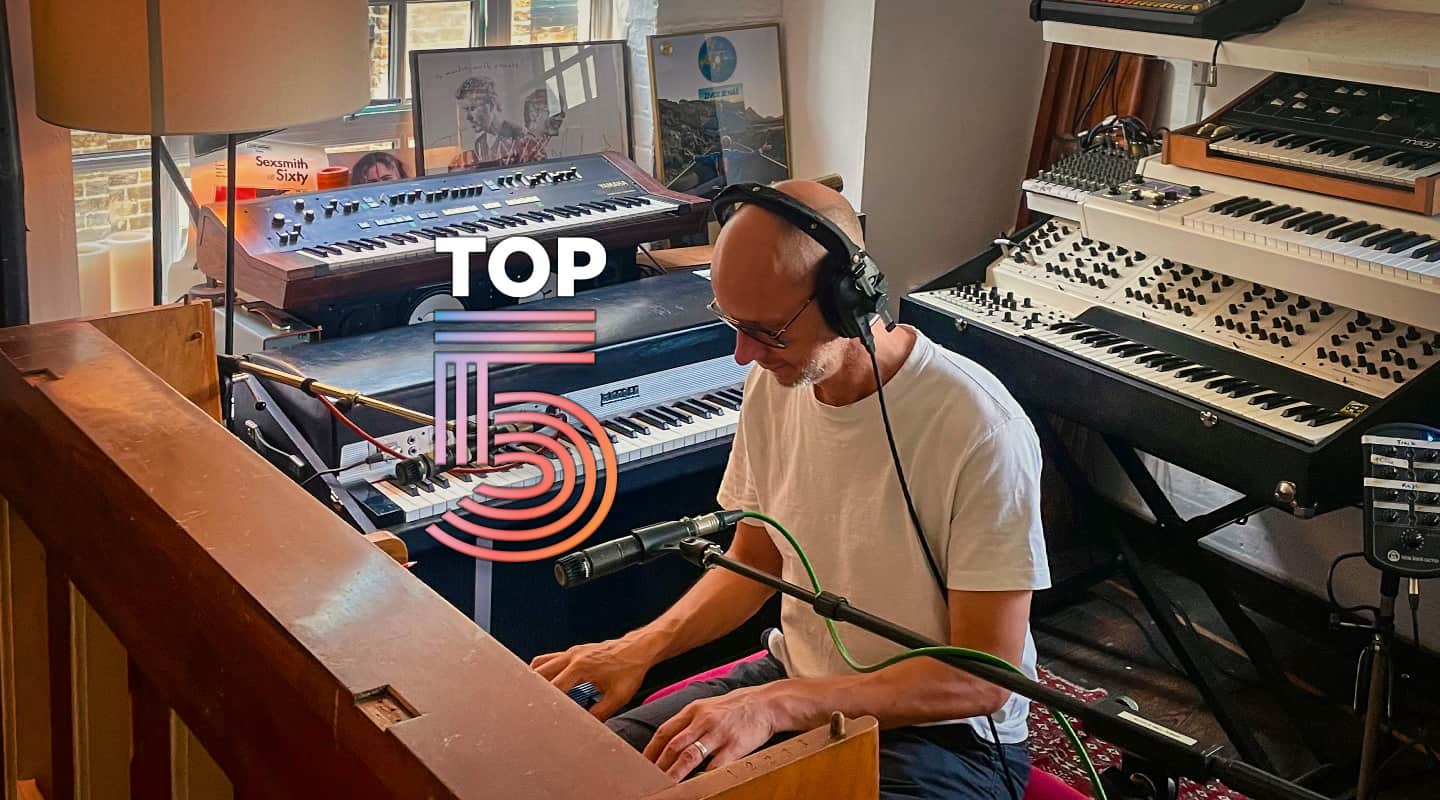
Swedish born producer and musician Martin Terefe’s writing collaborations and productions have won multiple Grammy, Brit and Juno awards. He also owns the legendary Eastcote and Kensaltown Studios in West London. Here, he discusses his five essential studio tools.

By

23 July 2026

TRIDENT B-RANGE CONSOLE

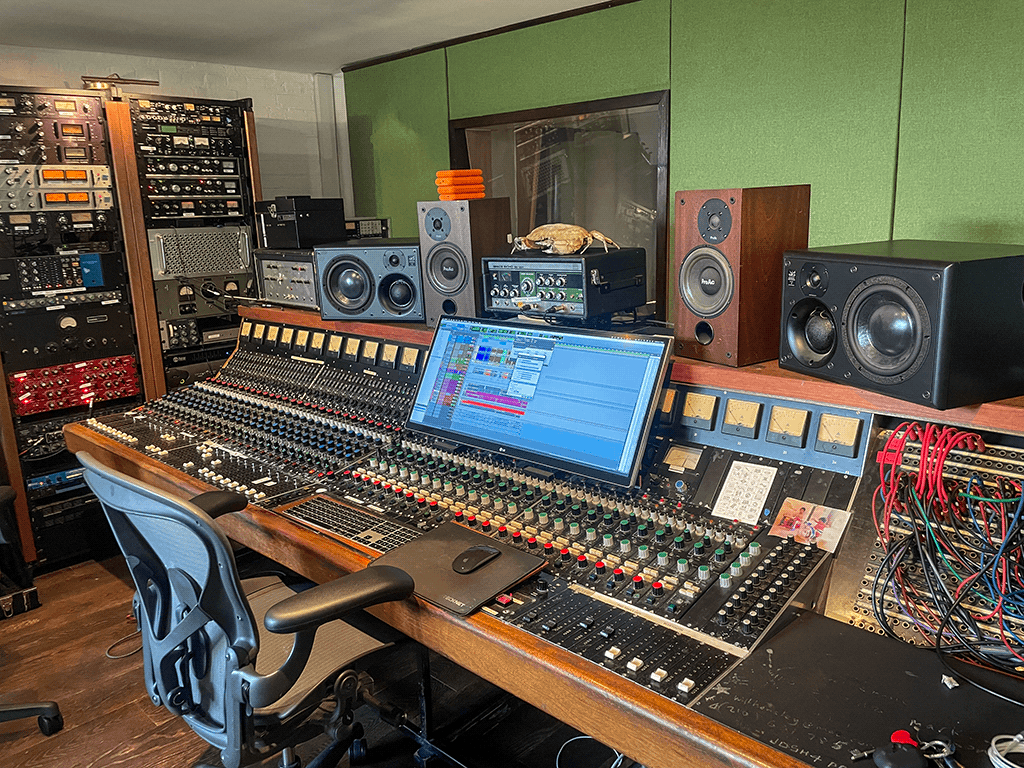
This one was built in the early ’70s by Malcolm Toft. One of around 30 all-discrete A and B Range consoles he built. I bought it a long time ago and only last year, Malcolm Toft visited me in the studio and told me he remembered building that B Range console and that the reason he made the smaller version of the A Range was so he could fit one at his own place and because engineers had asked for the sound of the A range in smaller frame. Eventually Trident made the Series B, which was a whole other thing and not discrete. I’ve had three B range consoles over the years and this one I bought in 1997 mostly because at the time I couldn’t afford a Neve. I’ve become so attached to the sound and the simplicity of the EQ now, which does all the right things in the right frequencies. It’s also unbalanced, which is quite unusual and gives it an incredible openness in the top frequencies. Whenever I record at my studio in London, I use it and I just love that console! For a long time, I used a Neve 31102 preamp for my vocal chain. But I needed to service it at some point and had to put my vocal chain through the Trident B Range preamp. It sounded so nice that I never went back to the Neve again.

UREI 1176 REV E COMPRESSOR

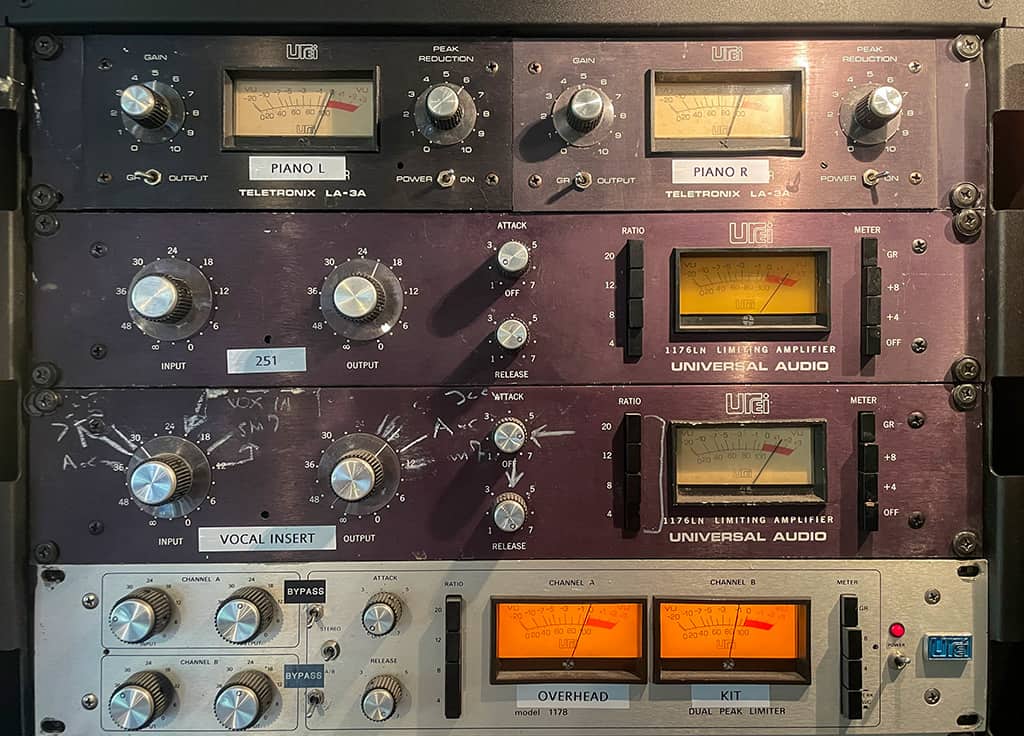
I discovered this when I was young and on my first studio mix session in the USA. I was in Nashville to work with a brilliant engineer called Richard Dodd. He had five racks with just compressors: 12 x 1176s and I asked, ‘What’s with all the compressors? And I also noticed he didn’t have any digital reverb units. He just didn’t like digital reverbs. And then he explained, which kind of led to what became a bit of a recording philosophy for me, because he just compressed everything so hard that every little thing that had happened during the recordings, even the neighbour talking in the garden or the squeaky studio floor was coming out in the music. And I really liked all the extra artefacts and, of course, the elevated room sound. It kind of glued everything together without sounding like an effect. It creates a different kind of ‘reverb’ when you do it just by compressing hard enough that the room sound really comes out in the recordings – very different to adding artificial reverb. For the vocals, if they’ve been recorded in a good live-sounding room it sounds fantastic.

ELA M 251 ’50s TELEFUNKEN MIC

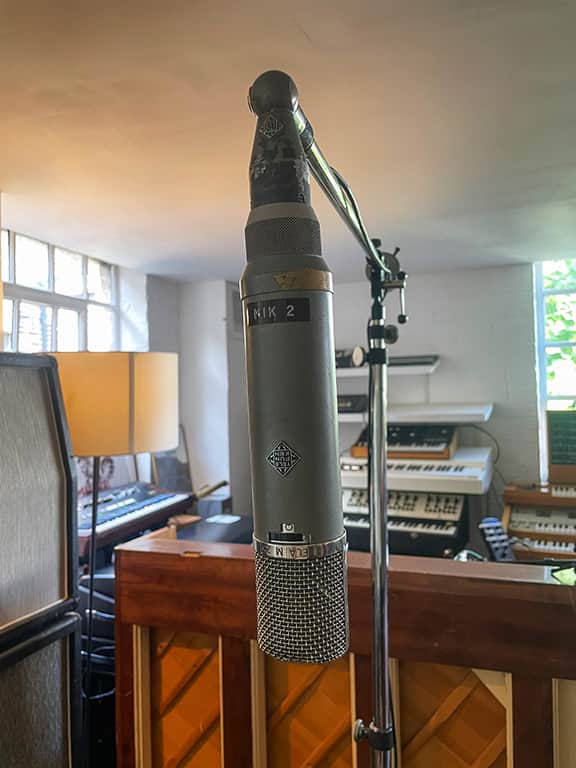
I bought it when I moved to England three decades ago. It’s an early serial number… 850 or something like that. It’s one of the examples Telefunken made before they started exporting mics outside Germany and it became the ELA M 251 E [E for export]. They made the early ones for the German Broadcasting company and it’s got an AC701 tube in it which has to be soldered in. For the export model they switched to a more readily available tube. When I bought it, it came with three extra AC701 tubes as well, which was insanely lucky. It was one of the things I bought despite really not being able to afford it. I took out a loan for that mic and never regretted it! Microphones of that age all sound different to each even if they’re the same model. Depending, I guess, on lots of factors and compared to other 251s I’ve tried, mine is particularly open at the top end. It’s like you can really make the vocal sound so present and sweet without it sounding nasty or sibillant.

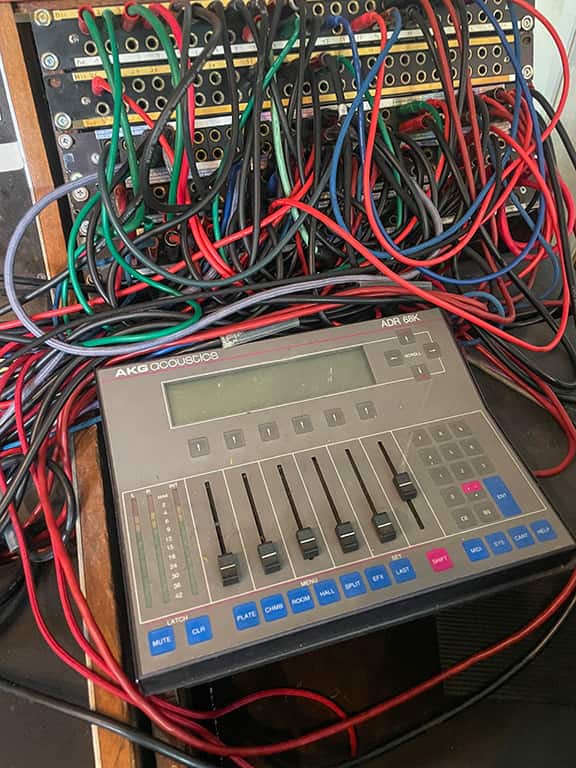
AKG ADR 68K DIGITAL REVERB

When I started mixing my records with Michael Brauer in the early 2000s, I always wanted him to keep the vocal dry to the point of being slight absurdity. I just loved the vocal sound to be really dry. I used to argue with Michael who was so super experienced and despite me saying ‘take off all reverbs’, he’d always try to sneak in some reverb on the tracks and say, ‘but it actually does sound better, Martin.’ I was so stubborn. So, he showed me a couple of tricks on how to use reverb very discreetly and one of them was to use a tape delay and create a long delay tail that, again, and once you compressed it, just sounded like the track kind of melting back into itself in a pleasing way. And then he would add a reverb onto the delay return signal and I liked that. It didn’t feel like a audible reverb. I could still have the vocal dry, but it just had a tail underneath that made it feel more together with the music really.

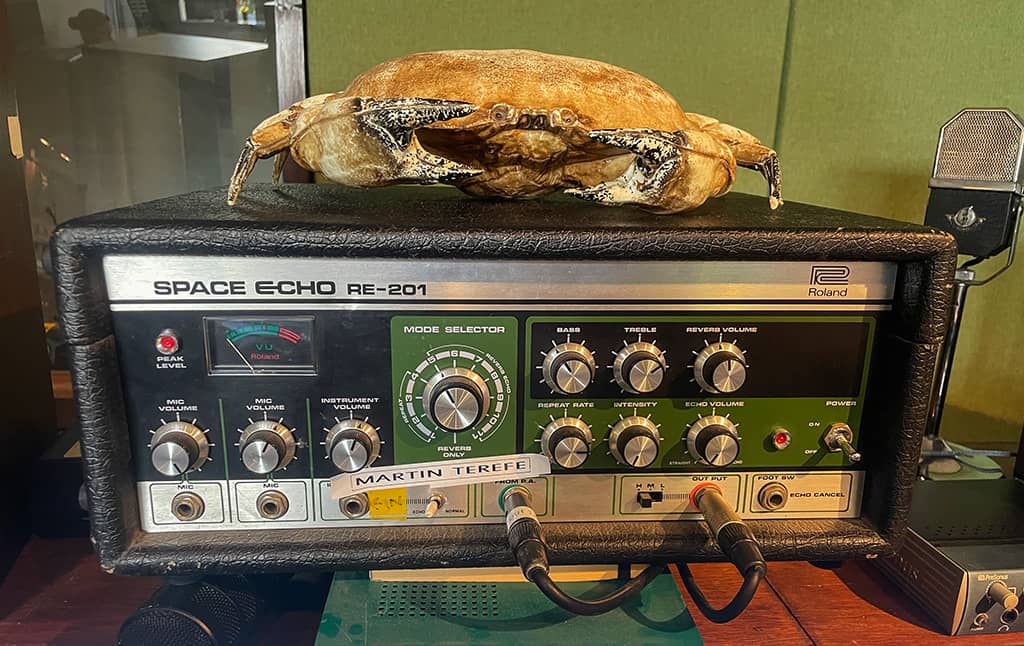
ROLAND RE-201/301 SPACE ECHO

It is one of the things I’ve collected over the years; tape delays. The Roland 201 and the 301 are my favourites. The 201 is the real classic, obviously, but the 301 added this button called ‘sound on sound’ mode, which puts another delay onto the delay and it comes out very random. I like both of them. In terms of using it, for the vocal, I generally use them to create the long delay tails or sometimes for slap-backs. But for other stuff, I use it really aggressively. For drums I use it to create interesting rhythms. When I play guitar, I use the Space Echo to make everything from beautiful ambient arpeggios to create noise and mayhem. A studio without a Space Echo is definitely a bit less fun than one that has one.

RESPONSES

Leave a Reply

Your email address will not be published. Required fields are marked *

More for you