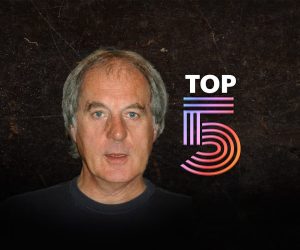
Top 5: Mike Boddy
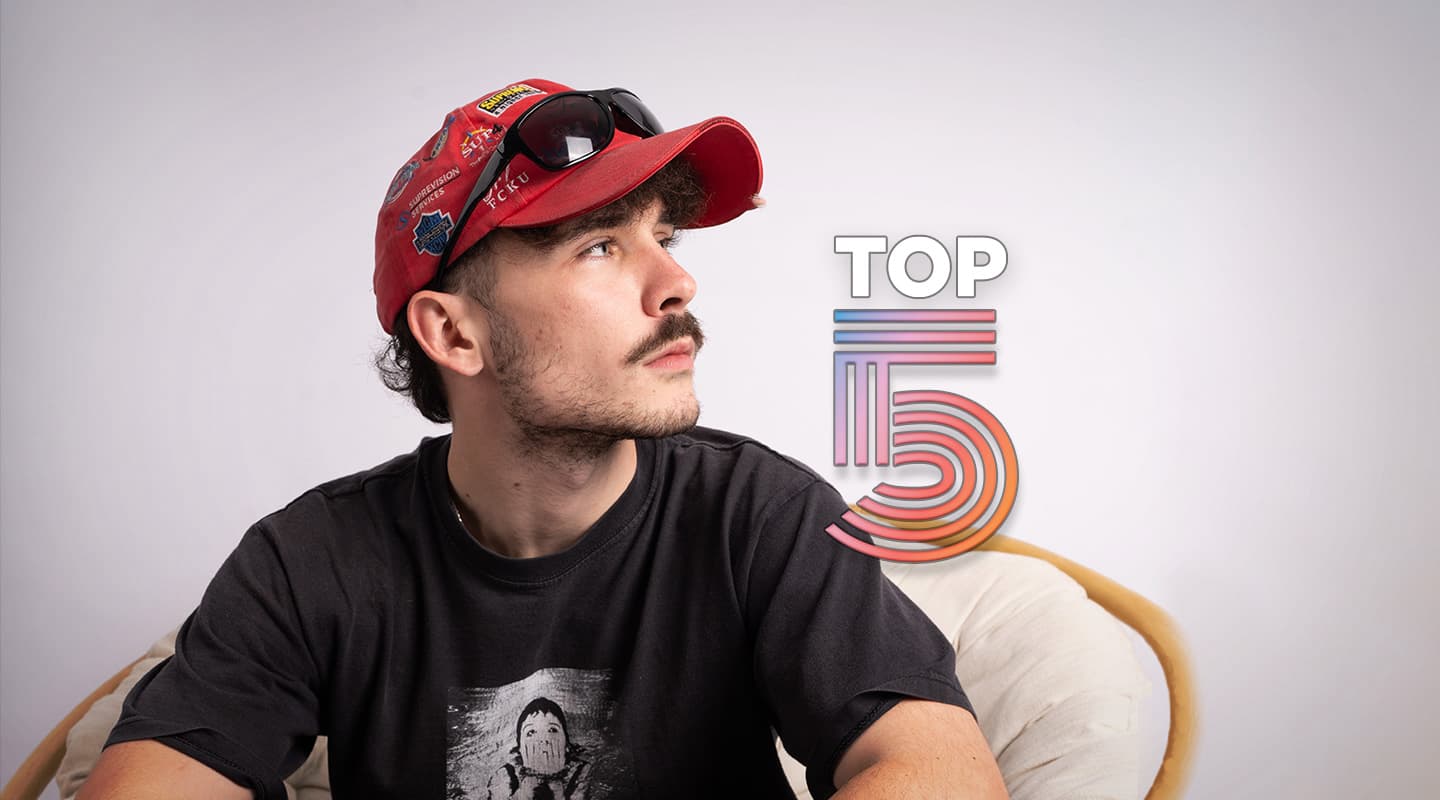
UK audio engineer Mike Boddy began his career in UK studios during the ’90s, building a reputation across music, television, and film. Here, he shares his five essential studio tools.
By Joe Matera
10 October 2025
SSL MIXING CONSOLE (G/E SERIES)
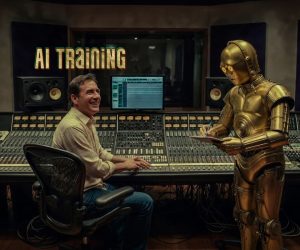
My journey with SSL mixing consoles began in the ’90s at Islington Music Workshop, where I studied music production and sound engineering. In the late ’90s and early 2000s, I worked as a tea boy and assistant engineer in studios with SSL desks, the standard for record production at the time. About three years ago, I started working with Jools Holland, who owns a stunning SSL G Series desk, bringing my career full circle. Despite years using digital boards and other tools, I find sitting at an SSL mixing desk uniquely inspiring, loving the sound of its EQ and compressors. I prefer the SSL’s sound over computer-based mixing, despite my appreciation for digital tools. When tracking a band, I favour a desk for the tactile flexibility to adjust elements like the kick drum, bass, or overall balance, which feels less intuitive in a DAW.


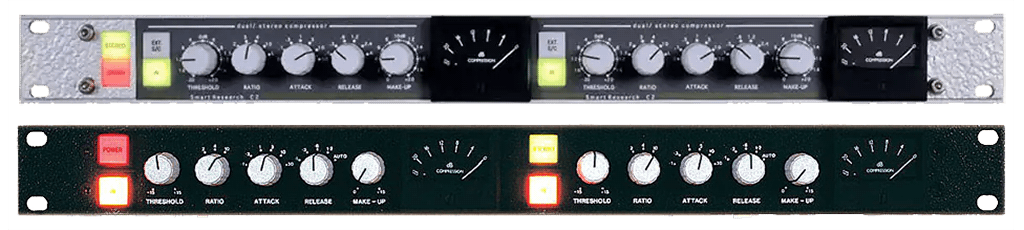
AL SMART COMPRESSOR
One time, I pulled up a track I’d mixed at Phil Manzanera’s Gallery Studios in London where the EQ and processing was all in the box. I ran the stems through an analogue mixing console as a summing mixer, with an Al Smart compressor across the mix, and it was a big improvement. I concluded that the Al Smart analogue compressor significantly enhances my mixes compared to digital alternatives – which has shaped my workflow ever since. I consistently route my mixes through an analogue mix bus chain.
RUPERT NEVE DESIGNS 542
Despite my preference for analogue, I primarily mix in the box. To add warmth and character, I turned to the Rupert Neve Designs 542 Tape Emulator 500 Series module, which has transformed my workflow. I route the signal through an API preamp, apply outboard EQ, and process it with the 542. Its Silk circuit, with Blue (duller, rounder) and Red (brighter) modes, offers versatile tonal options. The 542 has shifted my approach to emulate traditional analogue workflows, printing effects and EQ to the session, reducing my reliance on plugins.


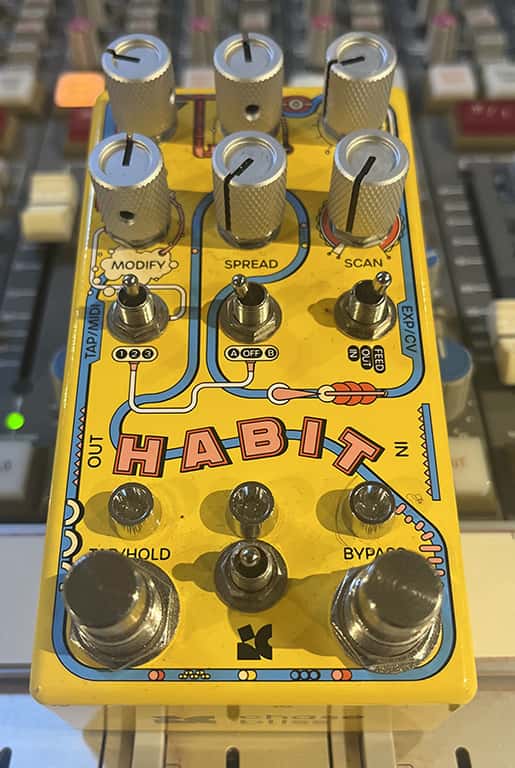
CHASE BLISS HABIT GUITAR PEDAL
I’ve always been fascinated by guitar pedals, inspired by Pink Floyd’s innovative sounds that transcend typical guitar tones. The Chase Bliss Habit is a creative powerhouse in a compact package. Beyond a standard delay pedal, it offers a range of effects and a Scan knob that recalls and manipulates sounds played maybe even minutes earlier, creating unique, unpredictable effects that add a distinctive twist. This randomness often sparks track ideas or introduces unexpected textures that make you say, “What the hell is that?!” It’s an unpredictable box of inspiration.
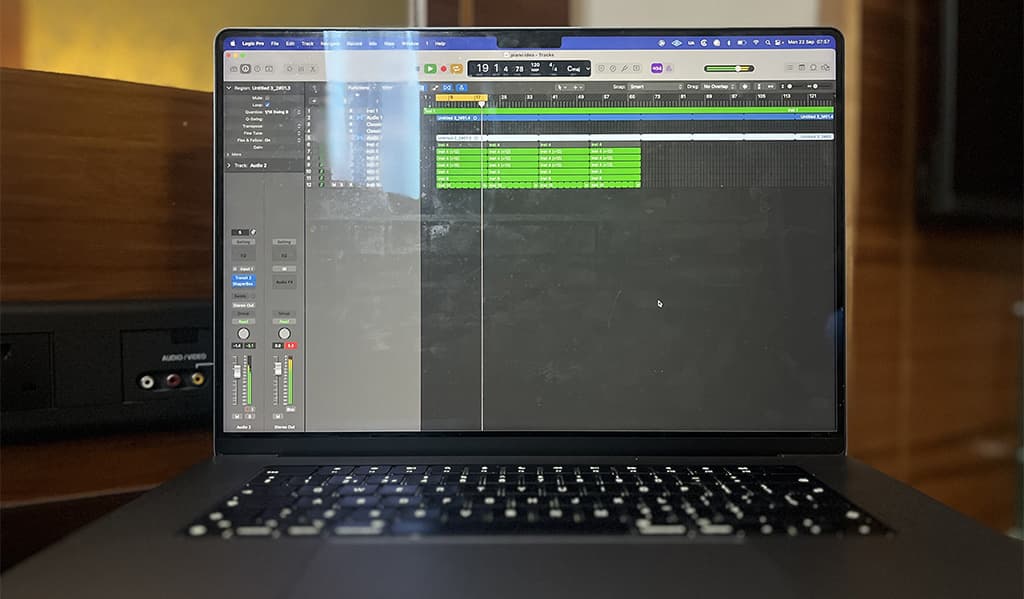
LAPTOP
When I started, studios relied on SSL desks and two-inch tape machines, surrounded by £200,000 worth of outboard gear. Today, a laptop can handle the entire production process. I worked on Jools Holland and Rod Stewart’s Swing Fever (2024), tweaking mixes from a Holiday Inn in Manchester. While I avoid finalising mixes on my laptop, preferring an analogue chain for compression, modern laptops are powerful enough to create near-complete mixes from a hotel room, ready to send to clients in LA. I recently produced an ambient EP entirely on my laptop while travelling by train, including mastering – it can be done.

MIKE BODDY BIO
With over 27 years in the music and audio industry, Michael Boddy is a seasoned sound engineer, mixer, producer, and composer whose work spans iconic studios, chart-topping records, prime-time television, and major broadcast events. Beginning his career as a teaboy at London’s legendary Matrix Studios in the late ’90s, he quickly progressed to assistant engineer roles at renowned facilities including Wessex, RAK, Livingston Studios, and Roundhouse. Early on, he worked with artists such as The Pretenders, Damon Albarn, and Ash.
As a sound engineer and mixer, Boddy has contributed to records by some of the most respected names in music, including Rod Stewart, Jools Holland, Roxy Music, and David Gilmour, most notably his mixing work on Swing Fever, the UK Number One album by Rod Stewart and Jools Holland. In broadcasting, Boddy has mixed performances for global superstars like Coldplay, Sting, and Jennifer Lopez. Beyond the studio and stage, he has composed and produced bespoke music for television programs such as The 1% Club and the Tokyo 2020 Paralympic Games. He continues to work across music, television, and film, bringing depth, experience, and a musical ear to every project.

RESPONSES