• Latest Issues
  • Reviews
  • Tutorials
    • Microphones
    • On The Bench
    • Thinking Outside the Box
    • View From The Bench
  • Features
    • Acoustics
    • Broadcast
    • DIY
    • Field Recording
    • Game Sound
    • Interview
    • Live Sound
    • Mastering
    • Mix Masters
    • Music Business
    • Name Behind the Name
    • Post Production
    • Recording
    • Studio Focus
    • Technical
  • Regulars
    • Fresh Produce
    • Top 5
    • Top 5 Live
    • Top 5 Template Tools
  • Videos
  • Free Stuff
  • By Gear
    • Audio Accesories
    • Audio Mixers
    • Headphones + IEM
    • Interfaces
    • Location Sound
    • Microphones
    • MIDI Controllers
    • Mobile/iOS
    • PA Systems
    • Software + Plug-ins
    • Studio Monitoring
    • Studio Outboard
    • Synthesizers + Keyboards
  • By Interest
    • Acoustics
    • Broadcast
    • DIY
    • Field Recording
    • Game Sound
    • Live Sound
    • Mastering
    • Music Business
    • Name Behind the Name
    • Post Production
    • Recording
    • Technical
    • Thinking Outside the Box
  • By Brand
  • Subscribe
  • Contact Us
  • Advertise
Previous
Issues 100
0 SHARE
Read Next: MiniFreak 3.0 Update
  • Home
  • /
  • Regulars
  • /
  • Top 5
  • /
  • Top 5: Lewis Mitchell

Top 5: Lewis Mitchell

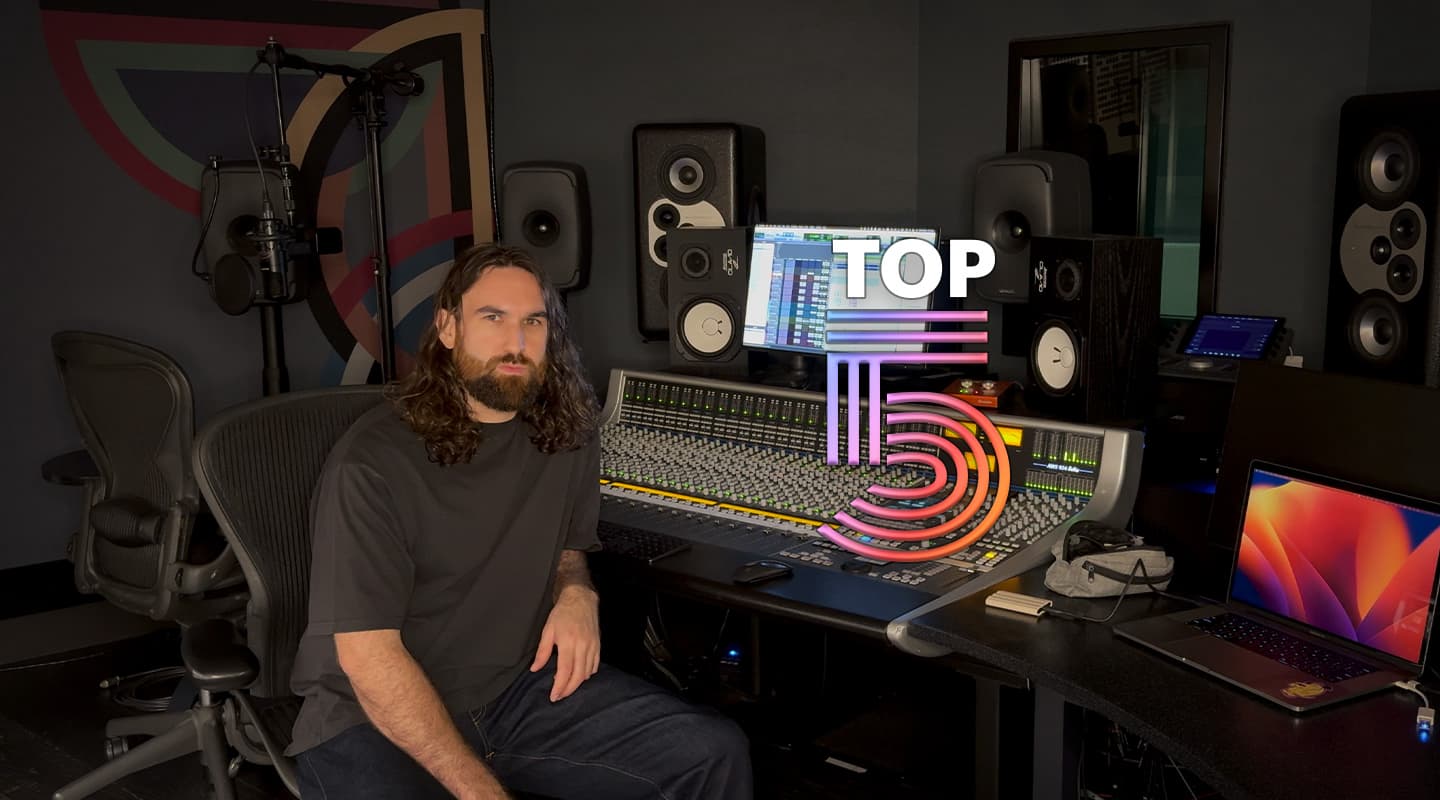
Aussie Producer and Engineer Lewis Mitchell has worked in-house for Sony Music & Universal Music Group in Sydney Australia with artists including Anderson Paak & The Free Nationals, A$AP Rocky, Gang of Youths, The Kid Laroi, Ziggy Ramo and The Weeknd. He also mentors future audio engineers through JMC Academy.

By AudioTechnology

19 December 2024

SONY C800G

The Sony has an instantly recognisable sonic signature that works amazingly to sit a vocal up front in a mix. It’s very detailed and sounds dialled in from the get-go. It can also be cool on acoustic guitar. Most of my acoustics have a lot of character. The Sony mic can be a really clear modern lens to capture all their nuance in a modern hi-fi aesthetic.

SHURE SM7B

The opposite of the C800G. It’s not as detailed as the rest of the microphones in the mic locker. But the upside is that it doesn’t pick up every sound in the room and it works great when you want a vocal to feel up close and personal or sit back in the mix. They’re inexpensive and great for home recording. They work well handheld and I’ve even cut vocals on one of these with the speakers blaring.

When I was first getting into recording, I convinced my friends to record their EP with me in exchange for a Shure SM7B. All the vocals were done with that SM7B in my living room. It’d be one of my longest-serving pieces of equipment. I ended up buying a Triton Audio Fethead to pair with it (it’s like a Cloudlifter, but it’s lighter and travels easily. It plugs straight into the mic, so you don’t need a second XLR cable). That same SM7B, the Fethead, and a UAD Apollo Twin make up my travel rig. I’ve made lots of records in homes and various locations with that setup.

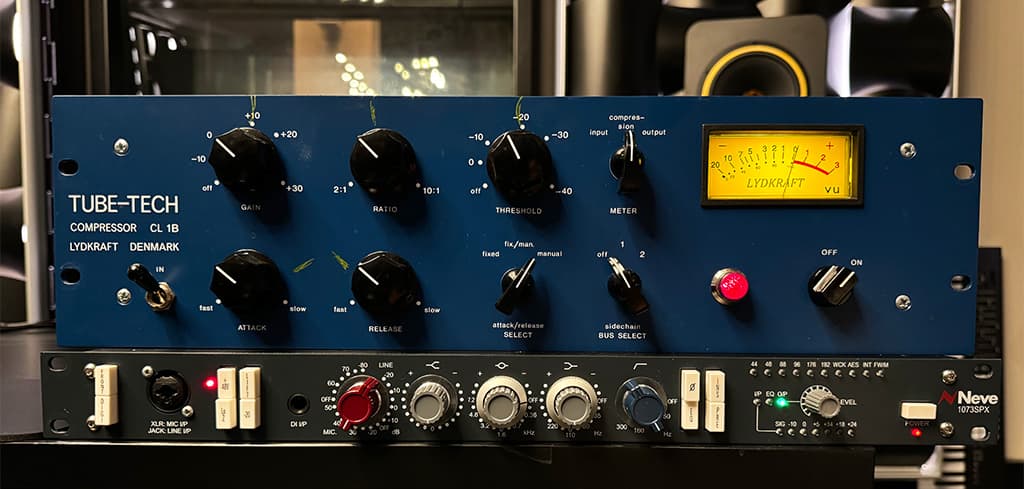
VOCAL STRIP (NEVE 1073 + TUBE TECH CL1B)

Technically, two pieces but I treat these like a channel strip. The settings I use vary depending on the artist and the mic. There are lots of clones out there but I prefer either the original, the newer Neve AMS or the BAE models with the EQ. I use the HPF before hitting the CL1B. I don’t compress much on the way in. I use the CL1B to tame peaks and boost the recording level to a sweet spot that works best with the processing I do in the box.

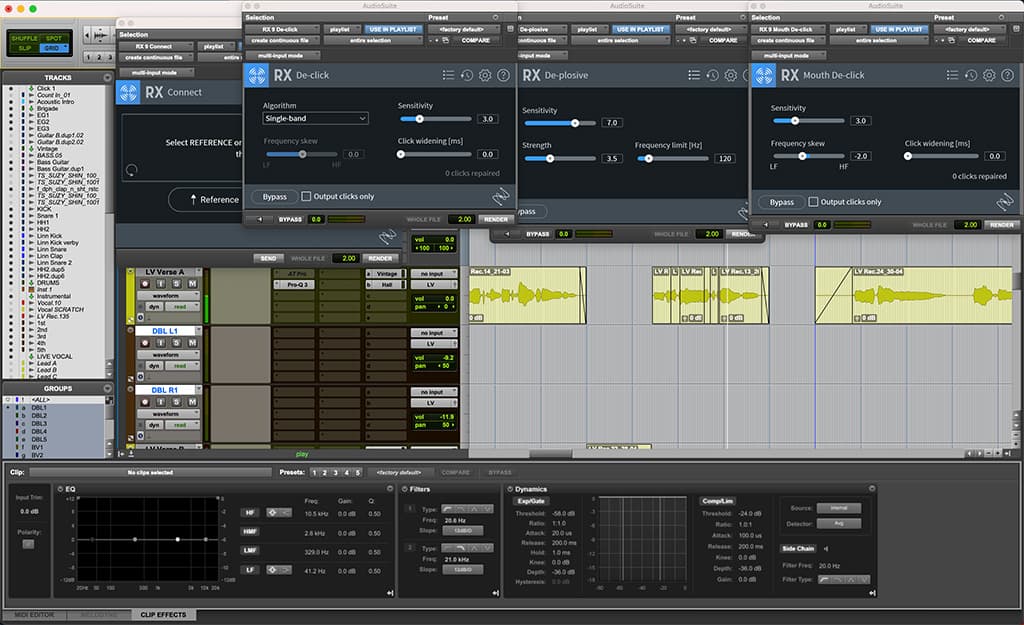
iZOTOPE RX SUITE

It’s like photoshop for audio. When you use super-detailed mics like the Sony C800G or the Manley Ref C, they capture every nuance – mouth noises included. It tends to be why some people avoid those mics. Personally, I love the sonic aesthetic of these microphones and don’t mind manually removing noise and de-clicking.

I have hotkeys set in Pro Tools to quickly open and process clips via the Audiosuite RX plugins (De-click, Mouth De-click, De-Plosive, etc.). It’s a key part of my workflow for cleaning up noises while I’m comping vocals. I try to comp as we record, so by the time the artist leaves the booth, we know we’ve nailed every line. Melodyne ARA also comes into play here for tightening pitch.

I use RX to remove clicks and noises that can surface during the mastering process. For this kind of work, I’ll dive into specific frequency areas within the standalone RX app. The Music Rebalance tool has been especially helpful when we’ve needed to bring up a vocal feature on a master right before release. I mastered a hip hop project where the vocal level was super inconsistent. They’d lost the project files and only had a stereo wav, so they couldn’t remix it. I used Music Rebalance to adjust the vocal level in small sections (a few words at a time), in combination with the usual mastering tools. The ‘before and after’ difference was incredible.

The Phase Rotation feature is also fantastic. It’s subtle, but it can help me squeeze extra volume out of a mix. It can also make a single element, like a guitar, feel more dynamic and responsive.

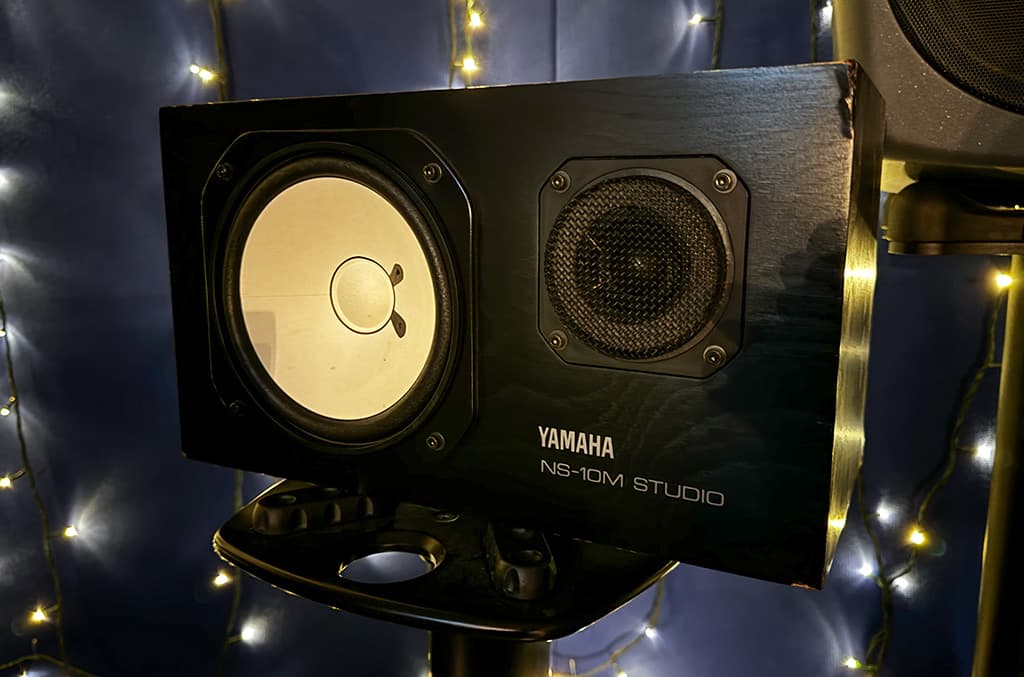
YAMAHA NS-10M

Monitoring is super important to me at all stages from writing to mastering. I want to make decisions and move forward. I had the pleasure of trialling a wide range of speakers from the top brands when I was setting up my mix room. One of the biggest takeaways was the importance of DACs. I prefer speakers without DSP. I feel there are a lot of little details that DSP can smear. I’m in the process of trialling speakers again now. But my whole career I’ve always used the NS10s for reference. I love the transient response. I’ve tried multiple amps with them. The Bryston 4B really brings out the detail and microdynamics. The cones move fast on a good amp and you can tell when the bottom end is moving right even though they don’t produce much down low.

RESPONSES

Leave a Reply Cancel reply

Your email address will not be published. Required fields are marked *

More for you

Filter by
Post Page
Studio Outboard 500 Series Feature Issue 110 Software + Plug-ins Interview Issue 96 Post Production Recording Issue 90 News Fender Issue 79 Mix Masters Microphones Aston Issue 54 Dangerous Music Issue 52
Sort by

Damien Lewis at 2200 Studios

19

David Lewiston: The Father of World Music

19

AI, DAWs & Audio 3

10

Bark24 Adds More Bite

10

Atmos Music Mixing with Bob Clearmountain

10

Steal Yourself: Recording Nothing But Thieves

10

Garcia ‘Gator Guit Gets Going Over

10

Mix Masters: Mixing Doja Cat’s ‘Woman’

10

NAMM 2021 Events – Our Top Picks

10

Aston Microphones announces Element, the ‘People’s Microphone’

10

It’s Time to Collaborate, Mate

10

Parkway Drive’s Gamble

10

preview
preview

Free! Get AudioTechnology magazine sent straight to your inbox every month

This field is for validation purposes and should be left unchanged.

preview
  • Latest Issues
  • Reviews
  • Tutorials
  • Features
  • Regulars
  • Videos
  • Free Stuff
  • By Gear
  • By Interest
  • By Brand
© 2026 AudioTechnology magazine.