
Top 5: Dave Sardy
American-born producer, engineer and mixer, Dave Sardy, first came to prominence as a member of noise rock merchants Barkmarket in the late 1980s before moving into production and engineering. He’s won multiple awards, including nine ARIAs for his work with Jet and Wolfmother. He has a long credit list, composes film scores and remains as busy as ever.
By Joe Matera
4 June 2025
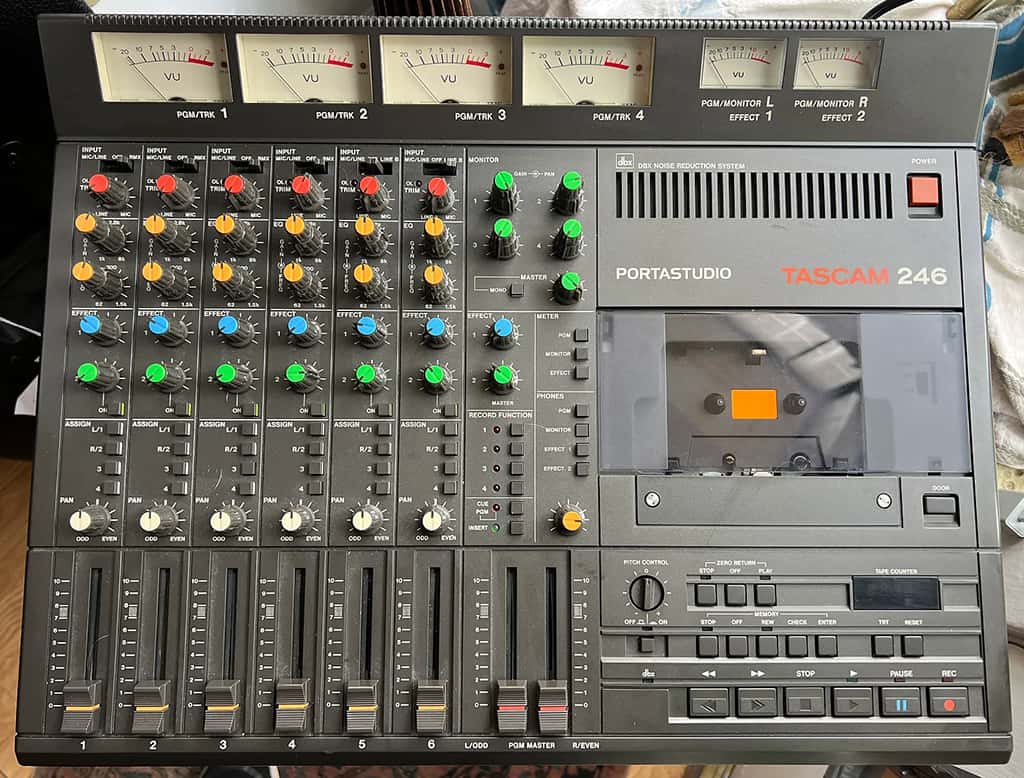
TASCAM PORTASTUDIO 246
I was lucky enough to become obsessed with the whole world of recording at a time when the home recording craze kicked off with cassette four-track machines. My 246 was one of the better models available at the time, with six channels. I made my first records on it and built my first home studio around it. I was just obsessed with it all. It really trained me to record with severe limitations and gave me the confidence to convince a studio to hire me as a house engineer — something I was thoroughly unqualified for at the time!
The 246 taught me how to turn low-quality equipment into something that sounded cool. It taught me the basics of recording: how to economise, how much degradation occurs when you bounce tracks, and how to construct a session when you’ve only got a handful of tracks to work with. At the same time, I was studying at Brooklyn College, learning about great microphones and how they sound in a great room. Together, these experiences really shaped my whole recording approach.


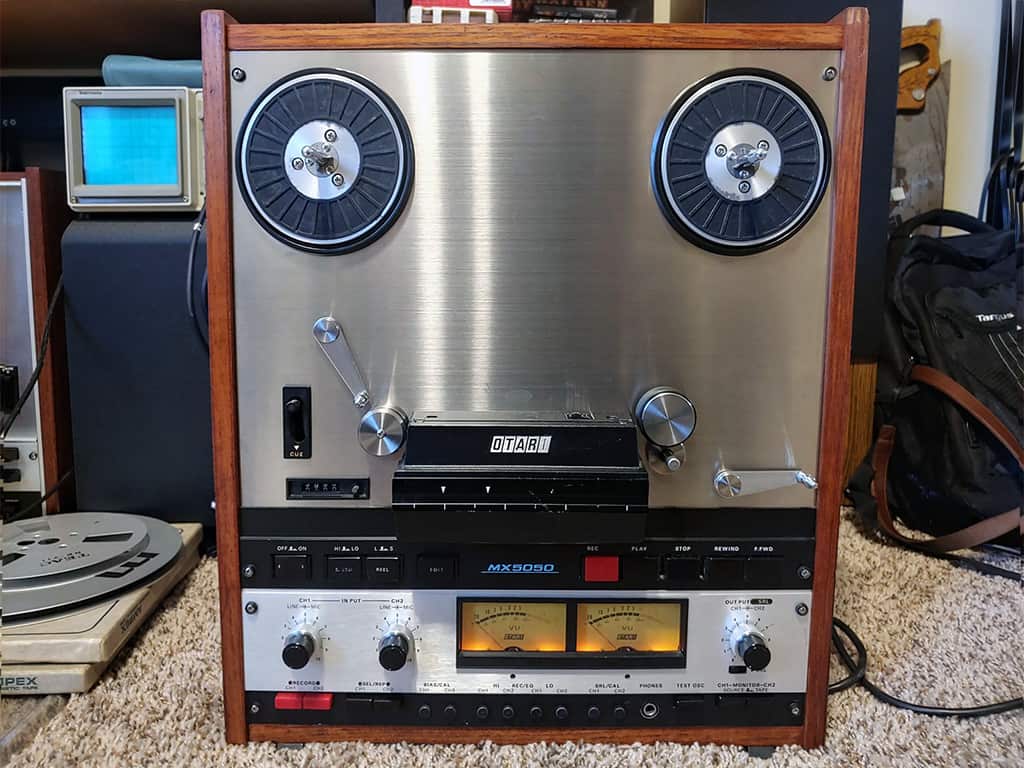
OTARI MX5050
My reel-to-reel quarter-inch tape machine was my first ever ‘real’ studio purchase — and I still have it today. It’s a professional piece of gear, even though mine wasn’t the top-of-the-line model. But it allowed me to spend endless hours editing tape, making tape collages and cutting things together.
Getting to play around with tape editing opened the floodgates for me in terms of sound manipulation. I’d record things from the radio — for example, I once took a Ronald Reagan speech, chopped it up, and rearranged the sentences into different structures. If you’ve ever edited tape, you’ll know how long that process takes. So now, when I edit digitally, it feels amazing — so fast and easy. But having spent all that time chopping and splicing definitely shaped the way I edit today.
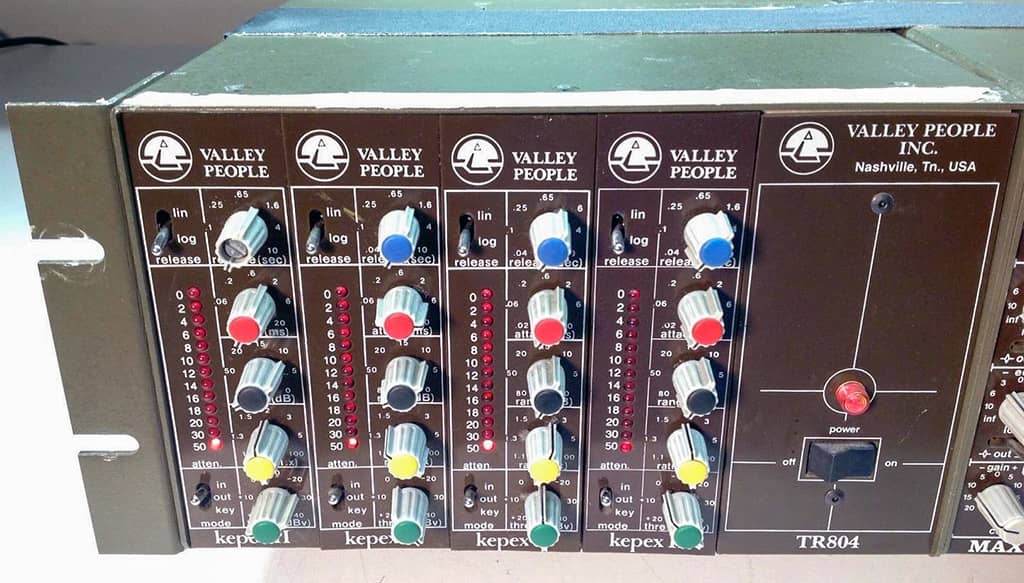
VALLEY PEOPLE COMPRESSOR
At the time, these were considered mid-level broadcast gear — not that highly regarded — but the compressors in them are insane. They’re almost impossible to calm down. They also have a rack system that lets you drop in their band-pass filters and noise gates.
It heavily influenced my style at the time because, even though I didn’t fully understand how compressors worked, I loved the sound they produced. If you didn’t close-mic, you could still get a great compressed room sound with it. And to me, that sound took me back to the kind of records I grew up listening to — records made at Abbey Road.


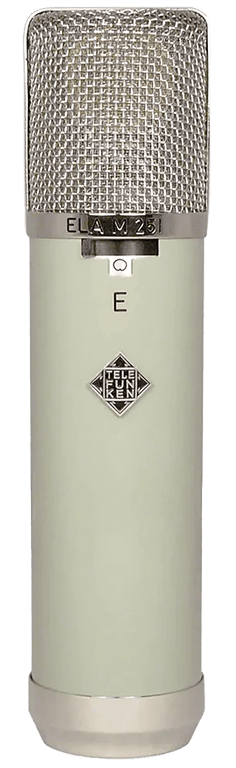
TELEFUNKEN ELA M251 MICROPHONE
I love this mic. I first bought one for the Noel Gallagher’s High Flying Birds record, when they started remaking them. I was lucky enough to be working somewhere that had two or three vintage examples — really beautiful ones — so I had the chance to A/B mine against the originals. The new ones are right up there in terms of sound quality.
I spent hours with it, getting to know every aspect of it. It’s an incredible-sounding vocal mic, and it sounds amazing on cello and violin too.
API RECORDING CONSOLE
The console at my studio dates back to the early 1970s and has 68 channels available for mixing — which is a lot for a small-footprint vintage console from that era. I’ve used it on every record and film project I’ve done since moving into the studio over 20 years ago.
I also have a Neve 8036, and together, the API and Neve really complement each other. We often use the Neve mic pres for tracking, going through it on the way in. But when it comes to mixing, I run things through the API. I like to mix and match — each desk has its own character and strengths. It’s a great console, and I absolutely love it.


RESPONSES